French
  Arabic
  German
  Russian
  Dutch
Dutch  Portuguese
  Turkish
  Spanish
  Italian
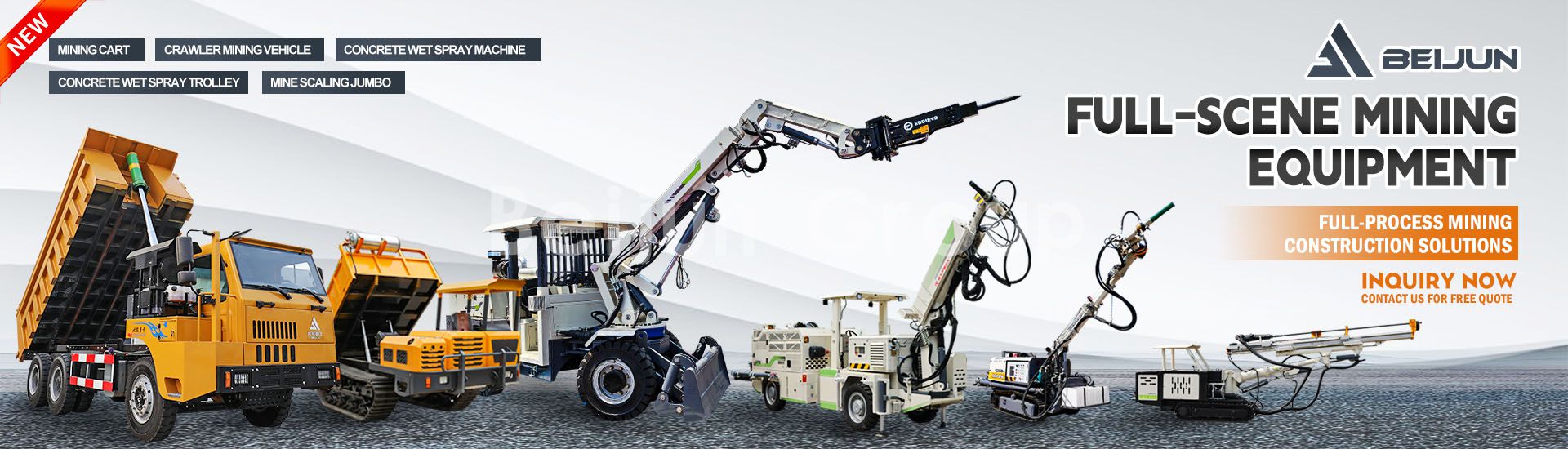
Dry shotcrete is on the way out. Old dump trucks with weak brakes are getting replaced. Mines are upgrading to equipment that actually works underground.
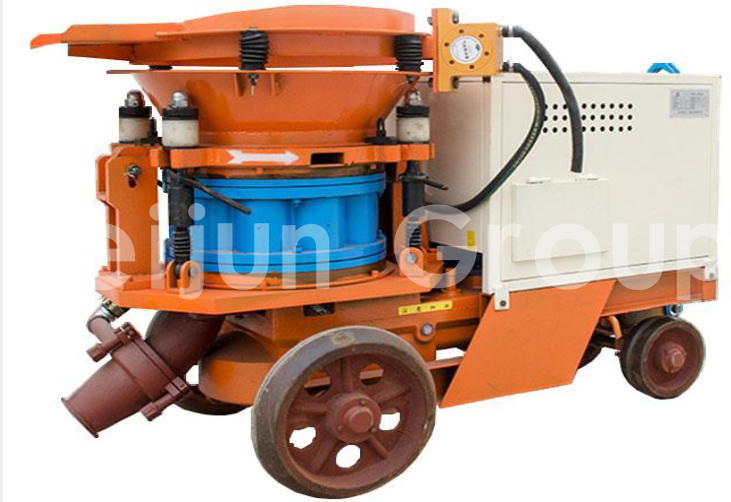
Let me tell you something about underground mining. The rock does not hold itself up. You need support. Steel beams. Rock bolts. And shotcrete. That concrete sprayed on tunnel walls. It keeps the roof from falling on your head.
Also, you need to move the rock out. That is where underground dump trucks come in. Hauling ore up ramps. Hour after hour. Day after day. The trucks take a beating. So do the brakes.
For decades, most mines used dry shotcrete and whatever truck was cheapest. It worked. But it had problems. Lots of dust. Lots of rebound. Brakes that overheated on long declines.
That is changing now. Tighter dust regulations. Higher labor costs. And better equipment at lower prices. A wet shotcrete machine costs less than it did five years ago. Same for underground dump trucks with modern wet brake systems. The math is starting to work.
I talked to mine operators who made the switch. Here is what they said.
The Problem with Dry Shotcrete
Dry shotcrete is exactly what it sounds like. Dry mix goes through a hose. Water gets added at the nozzle. Simple. Cheap equipment. But here is the catch.
Dust. Dry shotcrete throws a cloud of cement dust into the air. Measurements show 50 milligrams per cubic meter or more. That is bad. Silicosis is no joke. Miners get sick. Mines get sued. Regulators crack down.
Rebound. Up to 30 percent of the material bounces off the wall and falls on the floor. That is waste. You paid for that concrete. You paid to haul it underground. Now it is just sitting there. Some mines spend thousands of dollars a month on wasted shotcrete material.
Inconsistent quality. The guy running the nozzle has a hard job. He has to control the water flow while aiming the stream and watching for loose rock. Water too low? The shotcrete does not stick. Water too high? It runs down the wall. Either way, you get weak support.
A mine manager in Nevada told me, "We had guys who were good at dry shotcrete. Really good. But they were few and far between. Most of our crew just could not get it right. We had re-spray areas all the time. That costs money."
The Problem with Old Underground Dump Trucks
Same story, different machine. Old underground dump trucks were built for surface work. Then someone put them underground. They sort of worked. But they had problems.
Brakes that fade. On a long ramp, brakes get hot. Cheap brakes fade. Then you have a loaded truck rolling downhill with no stopping power. That is a bad day. Really bad.
Frames that crack. Underground roads are rough. Tight turns. Big bumps. Frames twist. Cheap frames crack. Then you are welding underground. Nobody wants that job.
Engines that overheat. Poor airflow underground. Radiators get clogged with dust. Engines run hot. Then they shut down. Then you are blocking the ramp. Bad for production. Bad for safety.
One mine supervisor told me, "We had trucks that spent more time in the shop than on the ramp. The mechanics knew them by name. That is not a good sign."
Why Wet Shotcrete Machines Are Winning
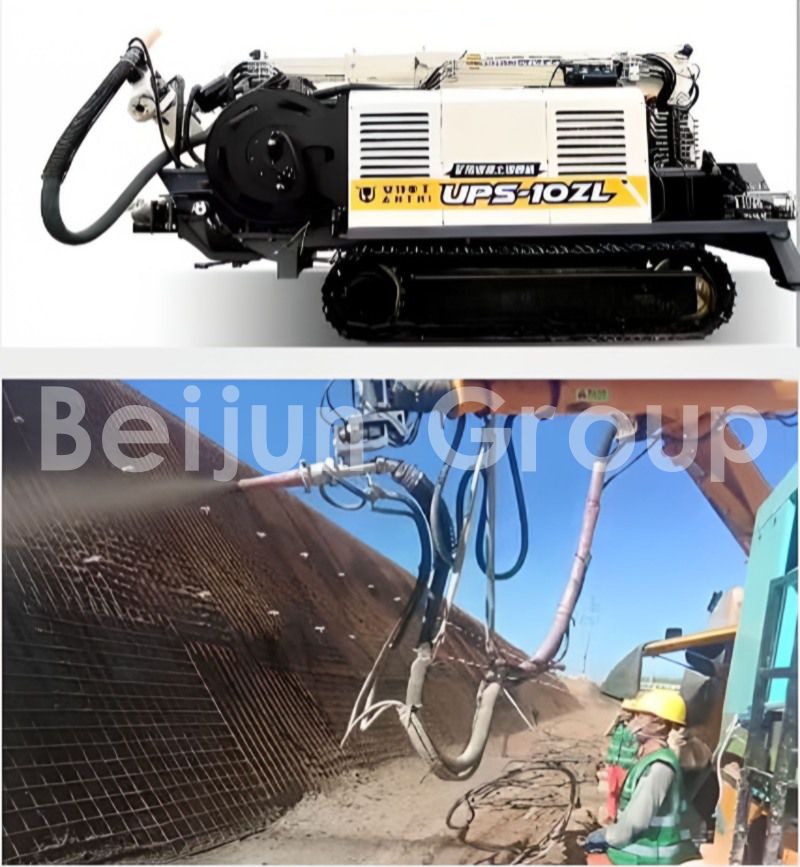
Wet shotcrete is different. The mix comes ready to go. Water is already in it. A pump pushes it through the hose. Air at the nozzle shoots it onto the wall. The operator controls accelerator and air, not water.
Dust drops by 90 percent. That is not an exaggeration. Wet shotcrete keeps dust under 5 milligrams per cubic meter. That is ten times cleaner than dry process. Your lungs notice the difference. So do the dust monitors.
Rebound drops by half. From 30 percent to 15 percent or less. For a mine spraying 1,000 cubic meters of shotcrete per year, that saves dozens of tonnes of material. Thousands of dollars. Every year.
Quality is consistent. The mix is the same every time. No guessing. No relying on the nozzleman's skill. The shotcrete sticks. It sets. It stays.
One contractor in Kazakhstan bought three wet shotcrete machines from Beijun. His rebound rate dropped from 35 percent to 18 percent. He is saving $12,000 a month on concrete material. That paid for one of the machines in the first year.
Why New Underground Dump Trucks Are Better
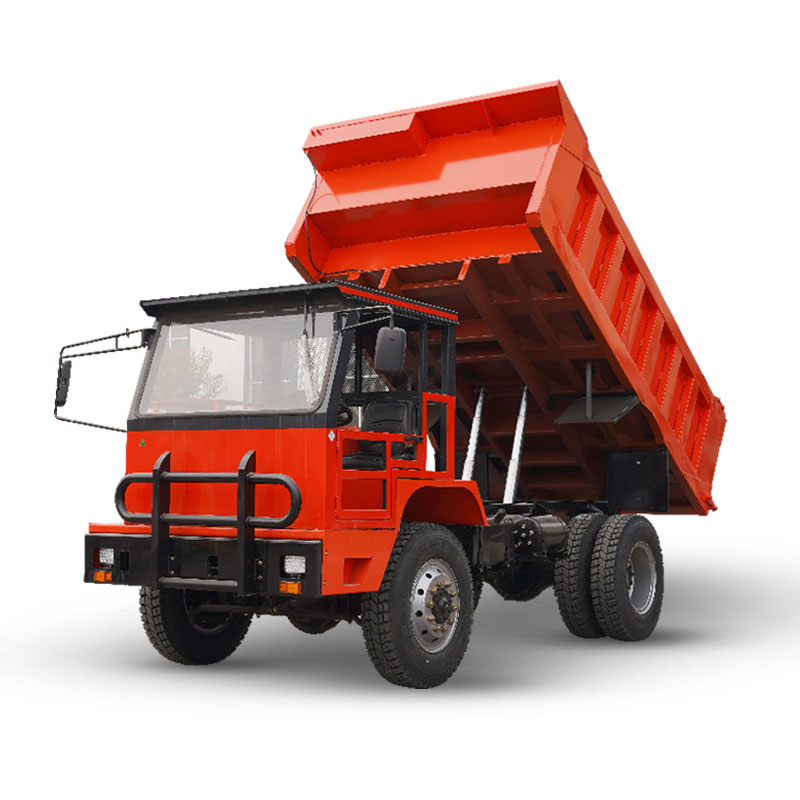
Modern underground dump trucks are built different. They are designed for underground from the start, not adapted from surface haulers.
Wet brakes that last. Fully enclosed. Oil cooled. No dust gets in. Heat stays under control. In tests, after 10 kilometers of continuous downhill running, brake temperature stayed under 180 degrees Celsius. Old trucks often hit 260 degrees or more.
Stronger frames. High-strength steel plate. Robot welding. Key stress points are thicker than the rest of the frame. One mine in Chile ran six Beijun 45-tonne trucks for eight months straight. Availability was 96 percent. The frame held up.
Better cooling. Bigger radiators. Better airflow design. Engines run at proper temperature even in hot underground conditions. No more overheating on the ramp.
Beijun's underground dump trucks come in sizes from 15 to 65 tonnes. You can get Cummins, Weichai, or Yuchai engines. Imported or domestic transmissions. There is even a battery-electric version for mines that want zero emissions. Six to ten hours of run time. Fast battery swapping if you have the setup.
What Mine Operators Say About Beijun Equipment
I asked a few mines that run Beijun gear what they think. Here is what they told me.
From a gold mine in China: "We used dry shotcrete for 20 years. The dust was terrible. Our guys hated that job. Nobody wanted to run the nozzle. Now with the wet shotcrete machine, dust is barely noticeable. And we are using less concrete. The mine manager is happy. The workers are happy. Good decision."
From a lead zinc mine in Kazakhstan: "We bought three wet shotcrete units and five underground dump trucks. The trucks have been running 2,000 hours each. Brake wear is minimal. The shotcrete machines run almost continuously. Wear parts last about 40 percent longer than the previous machines we used. Less downtime. More production. Simple math."
From a copper mine in Chile: "The remote control on the shotcrete machine changed how we work. The operator stands 60 meters back. He can see the face on a screen. If something falls, he is not in the danger zone. And the trucks? The wet brakes are a game changer. No more brake fade on the long ramp. That alone was worth the upgrade."
Look, nobody loves buying equipment. But the feedback on these machines is consistently good. That matters.
What a Good Wet Shotcrete Machine Looks Like
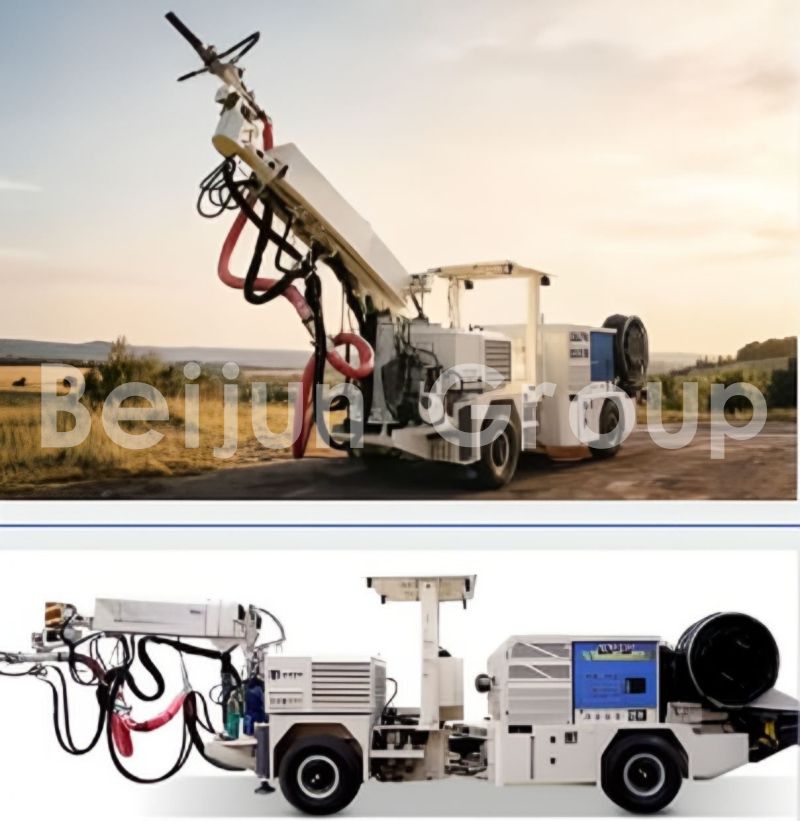
Not all wet shotcrete machines are the same. Cheap ones have problems. Clogged hoses. Weak pumps. Short life on wear parts. Here is what to look for.
Pump design. Rotor stator pumps are common. They work. But they wear out. Look for easy access to replace the rotor and stator. Some machines make you take half the pump apart. That is hours of downtime. Good machines let you swap parts in 30 minutes.
Accelerator system. Liquid accelerator is expensive. You want precise control over how much goes in. Too little and the shotcrete takes forever to set. Too much and you are wasting money. Good machines have automatic dosing based on concrete flow rate.
Spray arm. Six degrees of freedom is the standard now. That means you can reach over-excavated areas and under-excavated areas without moving the whole machine. Saves time. Saves labor.
Remote control. Wireless. Long battery life. IP67 rated for dust and water. You do not want to be standing near the face while spraying. Rocks fall. It happens. The remote lets you stand back 50 meters or more.
Beijun's wet shotcrete machine checks all these boxes. Rotor and stator replacement is straightforward. Accelerator dosing is automatic. Spray arm moves smoothly. Remote works in wet and dusty conditions.
The Cost Question for Both Machines
Wet shotcrete machines and modern underground dump trucks cost more upfront. No way around that. A good wet machine might be double the price of a dry machine. A good truck with wet brakes costs more than a cheap truck with dry brakes. But the operating costs tell a different story.
For shotcrete: Less wasted material. Lower dust control costs. Fewer health claims. Less rework. One mine did a full cost analysis. Their total shotcrete cost per cubic meter dropped 22 percent in the first year. The machine paid for itself in 14 months.
For dump trucks: Less brake maintenance. Less downtime. Longer component life. One mine told me their brake maintenance costs dropped 70 percent after switching to wet brakes. No more brake jobs every three months. Now they check brakes once a year.
Every mine is different. But the trend is clear. Better equipment costs less in the long run.
Parts and Service – What You Need to Know
Wet shotcrete machines eat wear parts. Rotors. Stators. Hoses. Seals. Underground dump trucks need brake pads, filters, and hydraulic seals eventually. The question is not whether parts will wear out. It is how fast you can get replacements.
Beijun has parts warehouses in eight Chinese regions and 26 locations total. Domestic customers get parts in 48 hours typically. Overseas is slower. But Beijun covers 20 countries now. Parts to major mining areas within 72 hours.
The wear parts on Beijun equipment are standard sizes. You can get them from other suppliers if you need to. But the factory parts last longer. Small differences that add up over time.
One mine operator told me, "We tried third party rotors for the shotcrete machine to save money. They lasted half as long. False economy. We went back to Beijun parts. Better to pay a bit more and change less often."
What Is Coming Next
The technology keeps improving. Newer wet shotcrete machines have more automation. Sensors measure rebound in real time. The machine adjusts air pressure and accelerator to minimize waste.
For underground dump trucks, battery-electric is the big trend. Several mines are testing electric trucks now. No diesel exhaust. Less heat. Lower ventilation costs. The range is getting better every year.
Some mines are experimenting with autonomous trucks. No driver underground. The truck follows a GPS path. Loads itself. Dumps itself. Goes back for more. That technology is expensive now. But it will come down.
For now, a good wet shotcrete machine with remote control and a good underground dump truck with wet brakes are the sweet spot. That is why so many mines are upgrading right now.
Frequently Asked Questions
How much does a wet shotcrete machine cost?
Prices vary widely. A small unit might be $30,000. A large machine with all the features could be $150,000 or more. Beijun's machines fall in the middle. You get good features without paying for a brand name. Ask for a quote. Compare specs.
How much does an underground dump truck cost?
A 30-tonne underground dump truck from a good manufacturer starts around $150,000. Bigger trucks cost more. Battery-electric versions cost more upfront but save on ventilation and fuel. Beijun will give you a quote based on your specific needs.
How long do wear parts last on a wet shotcrete machine?
Rotor liners: 300 to 500 cubic meters of shotcrete. Delivery hoses: 200 to 300 cubic meters. Seals: 500 to 800 hours. Your mileage will vary depending on mix design. Keep spares on hand.
How often do I service the wet brakes on a dump truck?
Every 2,000 hours or 12 months. Just check the fluid level and quality. No disassembly needed. Compare that to dry brakes that need dust cleaning every 500 hours. The wet brakes save you a ton of maintenance time.
Can I convert my old equipment?
For shotcrete, not really. Different pumps. Different hoses. Different accelerator system. You could retrofit some parts. But you might as well buy a new wet machine. For dump trucks, you can sometimes add wet brakes to an older truck. But it is expensive. Usually better to trade up.
Is training hard for new equipment?
For wet shotcrete, easier than dry. Most guys pick it up in a few shifts. For dump trucks with wet brakes, it drives the same. The only difference is maintenance. Beijun includes training with their machines. A technician spends time on site. By the time they leave, your crew knows what to do.
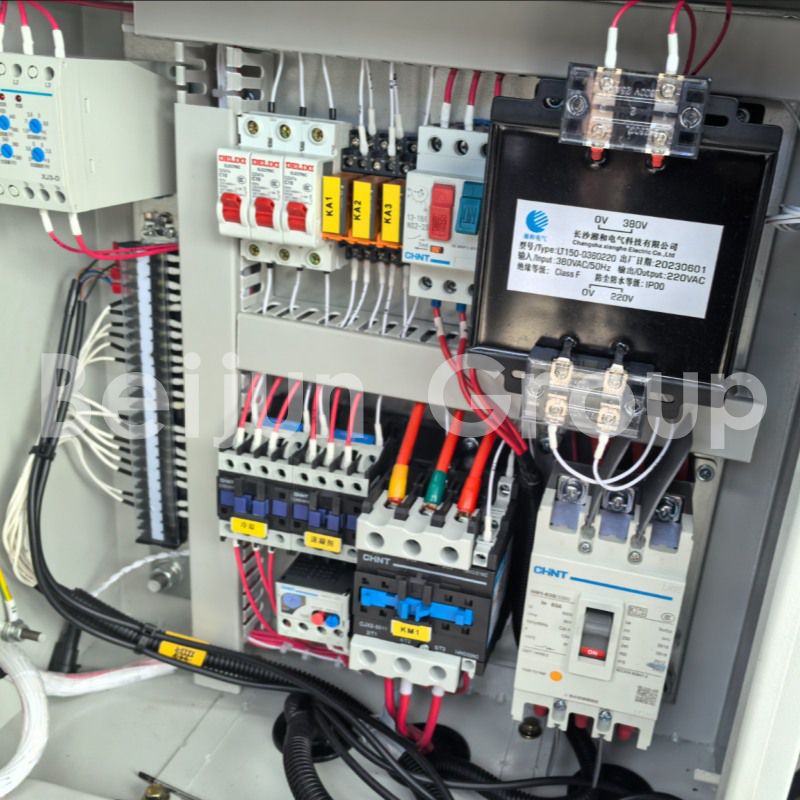
The Bottom Line
Here is the truth. Dry shotcrete is old technology. It works. But it is dusty. Wasteful. Hard on workers. Old underground dump trucks with dry brakes are dangerous on long ramps. They fade. They fail. They cost too much in maintenance.
Wet shotcrete is the future. Lower dust. Less rebound. Better quality. Safer for your crew. Modern underground dump trucks with wet brakes are safer and cheaper to run. Less downtime. Less maintenance. Better peace of mind.
If you are still running dry shotcrete or old trucks, you should at least look at newer equipment. Get a quote. Run the numbers for your mine. See if the savings make sense.
For most mines, they do.
Beijun's wet shotcrete machine and underground dump truck lineup are worth a look. Good specs. Good support. Good price. Call them. Ask for a demo. See what your crew thinks.