French
  Arabic
  German
  Russian
  Dutch
Dutch  Portuguese
  Turkish
  Spanish
  Italian
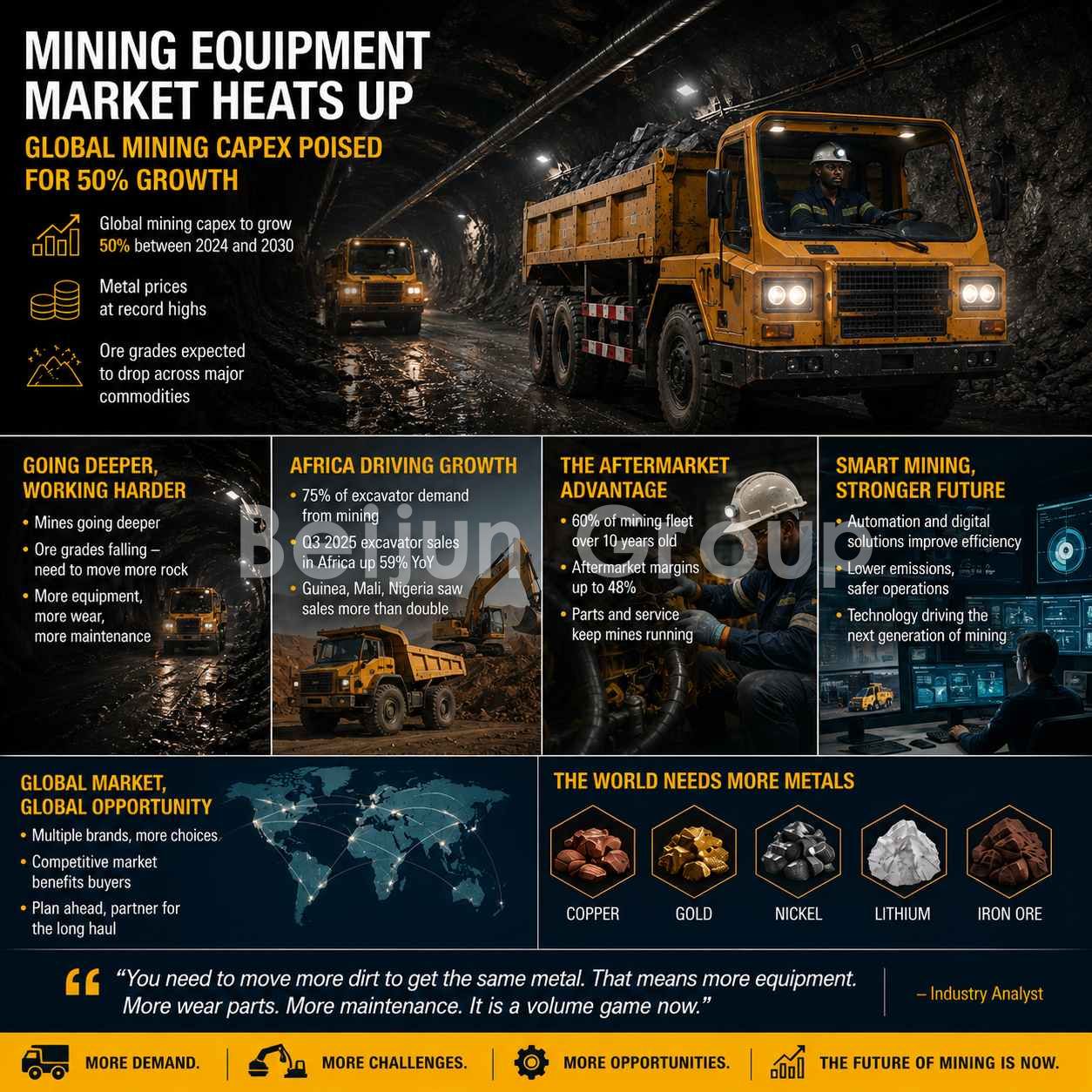
Mining Equipment Market Heats Up as Global Mining Capex Poised for 50% Growth
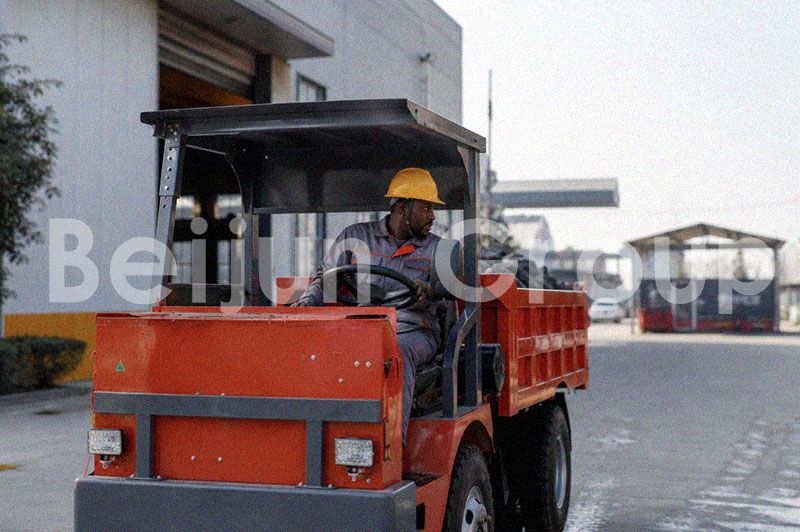
Metal prices at record highs. Ore grades falling. Mines going deeper. Equipment makers are scrambling to keep up.
You have probably noticed. Copper is up. Gold is up. Nickel is up. Metal prices are hitting levels nobody predicted a couple years ago. And that means one thing for mining equipment. Demand is going through the roof.
The numbers are big. According to Caterpillar's 2025 Investor Day presentation, global mining capital expenditure is expected to grow by 50 percent between 2024 and 2030. That is not a small bump. That is a surge.
What is driving all this spending? Two things. More demand for metals. And lower grades in existing mines.
More Metals, Lower Grades – The Double Whammy
Let me explain what is happening.
On the demand side, the world needs more copper, nickel, and graphite. EVs need them. Batteries need them. Renewable energy infrastructure needs them. Caterpillar expects copper demand to grow 22 percent by 2035. Graphite? 118 percent. Nickel? 52 percent.
On the supply side, things are getting harder. Ore grades are dropping. Copper grades are expected to decline 9 percent by 2035. That means to get the same amount of metal, you have to dig up more rock. Process more material. Move more waste.
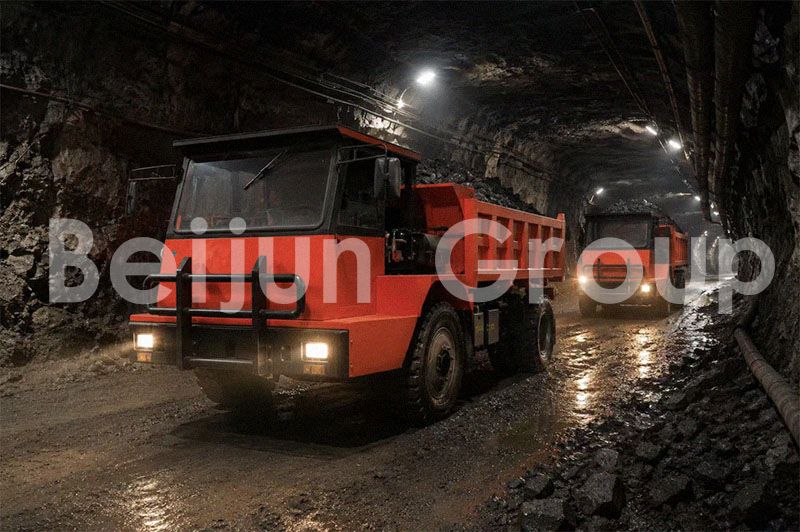
That is a big deal for underground dump truck buyers and anyone purchasing underground mining equipment. Lower grades mean more trucks. More loaders. More drills. More conveyors. More of everything.
One industry analyst put it this way. "You need to move more dirt to get the same metal. That means more equipment. More wear parts. More maintenance. It is a volume game now."
Africa Is the New Hot Spot
Here is a trend that matters if you are selling underground mining equipment. Africa is taking off.
About 75 percent of excavator demand in Africa comes from mining. Gold. Copper. Lithium. Iron ore. All the metals everyone wants.
The numbers back this up. In the third quarter of 2025, excavator sales in Africa jumped 59 percent year over year. Not 5 percent. Not 10 percent. 59 percent.
Some countries are growing even faster. Guinea. Mali. Nigeria. All saw excavator sales more than double. That is a lot of machines going into the ground.
Why Africa? A few reasons. Global trade tensions are pushing companies to secure supply chains. Energy security matters more than it used to. Chinese mining companies are investing heavily in African projects. And the equipment follows.
One report notes that Chinese mining equipment manufacturers are following their clients overseas. The "infrastructure for resources" model is real. China builds roads, ports, and railways. In return, African countries supply minerals. And Chinese equipment is part of that deal.
The Aftermarket Opportunity
Here is something a lot of buyers overlook. The money is not just in selling new machines. It is in keeping old ones running.
Mining equipment is expensive. A single underground dump truck can cost half a million dollars or more. Mines do not replace them every few years. They run them for a decade or longer.
According to Caterpillar, about 60 percent of their mining equipment fleet is more than 10 years old. That means a lot of machines out there need parts. Need service. Need rebuilds.
The aftermarket is huge. Companies like Komatsu and Sandvik get more than half their mining revenue from parts and service. Margins are higher too. Caterpillar's equipment margins are around 28 percent. Aftermarket margins? 48 percent.
For mines, keeping old machines running is not optional. A new truck might take months to deliver. Parts can be there in days. That is why reliable suppliers matter.
One analyst notes that African mines, in particular, rely heavily on outside support. Remote locations. Poor infrastructure. You cannot just call a local mechanic. You need a supplier that can get parts to you fast.
What This Means for Buyers
If you are buying mining equipment right now, here is what I think you should consider.
First, lead times are going to get longer. More demand means factories are busy. If you need new trucks or loaders, order early. Waiting until the last minute is a bad idea.
Second, think about parts availability. Ask suppliers about their warehouse network. How fast can they get you a transmission? A hydraulic pump? A set of brake pads? In mining, every hour of downtime costs money.
Third, consider Chinese suppliers. They are getting better. The quality gap between Chinese and Western brands is shrinking. And the price gap is still there. One report says Chinese equipment can be about 30 percent cheaper than European or American equivalents while meeting the same certification standards.
Fourth, look at your maintenance strategy. With ore grades falling, your equipment is working harder. More tons moved per hour. More wear on everything. Your maintenance budget probably needs to go up.
Real Examples from the Field
The market is moving fast. Here is proof.
Sandvik just won a SEK 350 million order from Barminco for the Bellevue Gold Project in Australia. Underground loaders. Trucks. Drills. The works.
Same company. Same quarter. Another SEK 650 million order from Chinese contractor JCHX for the Khoemacau Copper Mine in Botswana. Loaders. Trucks. Drills. Plus digital monitoring and automation.
That is nearly a billion Swedish kronor in orders in a few weeks. The demand is real.
Meanwhile, in Chile, Sierra Gorda and BHP's Spence copper mine are teaming up. They want to share infrastructure. Cut costs. Improve efficiency. Both mines are dealing with lower grades and higher operating costs.
In Finland, Endomines just got EUR 1.5 million in EU funding to advance a critical minerals project. Tungsten. Molybdenum. Metals that Europe wants to source domestically.
For support equipment, mines are increasingly turning to wet shotcrete machines to improve safety and reduce rebound on tunnel support work.
The Bigger Picture

Here is what all this adds up to.
Global mining is entering a growth phase. Capex is going up. Mines are expanding. New projects are coming online.
At the same time, mines are getting deeper. Ore grades are falling. Environmental rules are getting stricter. The operating environment is more complex than ever.
For equipment buyers, that means choices matter more than ever. The cheapest machine is not always the best. The most expensive brand is not always the best either. You need equipment that fits your specific mine. Your specific conditions. Your specific support network.
The good news is that the market is competitive. European brands. American brands. Chinese brands. Australian brands. All fighting for your business. That is good for buyers. More choice. Better prices. Better service.
If you are in the market for new equipment, do your homework. Get multiple quotes. Check references. Run your own total cost of ownership numbers. And plan for the long haul.
Because if the forecasts are right, the next few years are going to be busy. For mines. For equipment manufacturers. And for everyone who keeps the machines running.
First ten qualified buyers who contact us through this article get a free sourcing checklist and TCO calculator for underground dump trucks and support equipment. Email beijun@beijun-group.com or call +86 17854788133