French
  Arabic
  German
  Russian
  Dutch
Dutch  Portuguese
  Turkish
  Spanish
  Italian
Market to hit $3.09 billion by 2032. Surface electric truck count reaches 1,087 units. China leads deployment with 893 units. The era of the prototype is over.
Here is what is happening in the electric mining truck market right now.
Battery-electric haulage is no longer a science project. It is a commercial reality. Mines around the world are putting electric trucks into production. The numbers prove it.
The global pure electric mining vehicle market was valued at $1.32 billion in 2025. By 2032, it is expected to hit $3.09 billion. That is a compound annual growth rate of 13 percent[citation:1]. That is real growth.
In 2025, production capacity reached 8,500 units. Actual output was about 7,500 units. The market is moving fast. Here is what you need to know.
Surface Mining Leads the Charge
Surface mines are adopting electric trucks faster than anyone predicted. By April 2026, there were 1,087 battery-powered surface mining trucks in operation globally.
Where are they? Mostly in China. The country accounts for 893 of those units. That is about 82 percent of the global fleet. Chinese manufacturers are driving commercial adoption at scale.
Who are the main suppliers? GlobalData identifies Tonly, XCMG, Yutong, SANY, and LGMG as the top five. Together, they represent about 90 percent of tracked deployments worldwide.
SANY recently delivered its 1,000th electric excavator. Their electric truck platforms, the SKT90E and SKT105E, are active in China, Brazil, the DRC, India, and Sweden.
One of the biggest deployments is in Inner Mongolia. China Huaneng Group commissioned 100 autonomous XCMG ZNK95 battery-electric trucks at the Yimin open-pit mine in 2025. They plan to expand that fleet to 300 units in 2026.
Underground Electric Trucks Are Growing Too
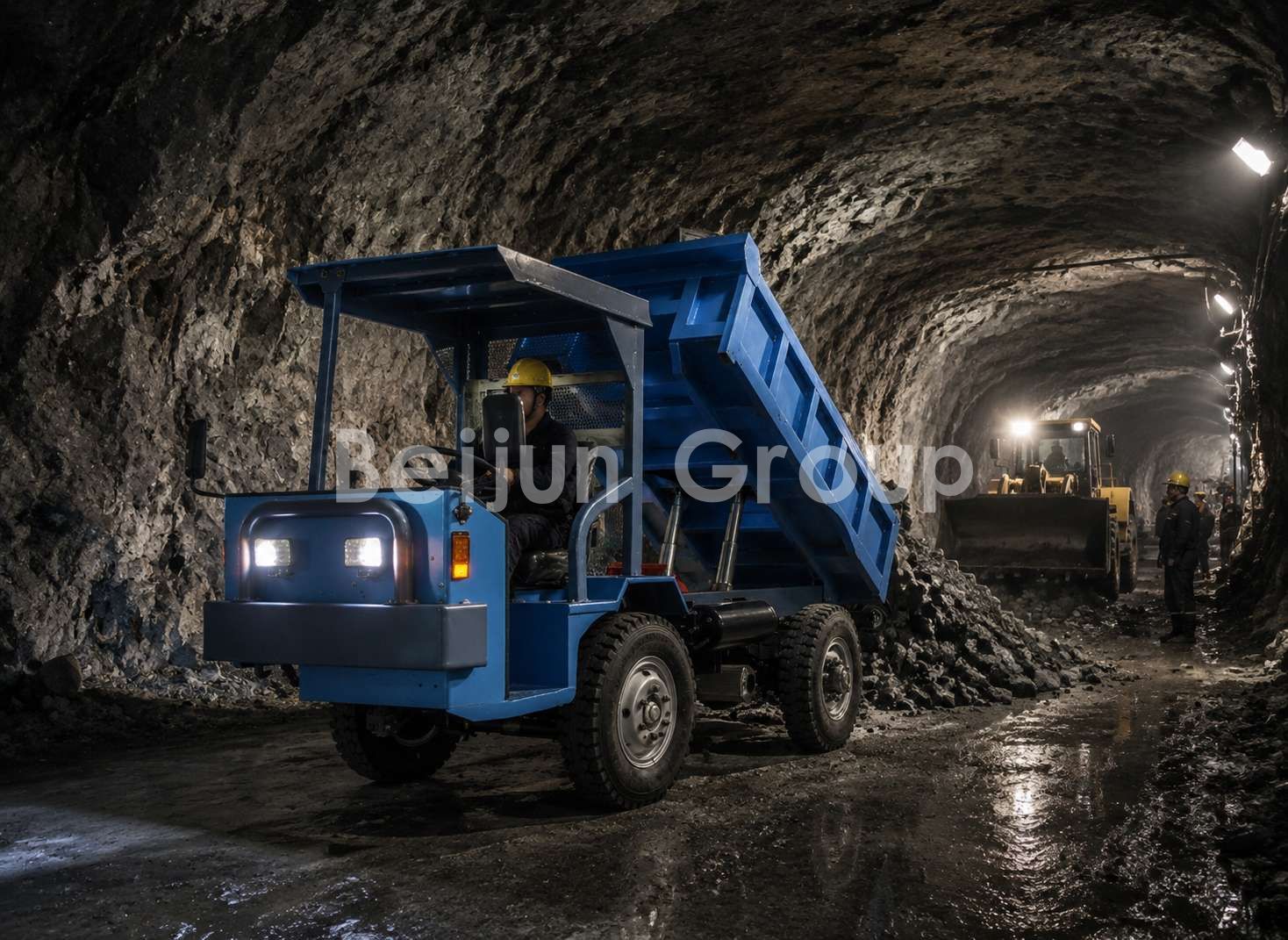
Underground mines are also making the switch. By April 2026, there were 412 electric LHDs and mining trucks running underground.
The largest populations are in Canada (127 units), followed by China (94), Russia (47), and Sweden (37)[citation:5]. Sandvik and Epiroc are the main suppliers, with over 80 percent of the machines tracked by analysts.
Trolley-assist trucks are also expanding. The largest population is in Zambia (136 units), followed by Namibia (56) and South Africa (20). Hitachi, Komatsu, and Liebherr are the main suppliers in this segment.
The Big Miners Are Testing Electric Haul Trucks
This is where it gets interesting. The big miners are not just watching. They are testing.
In late 2025, BHP, Rio Tinto, and Caterpillar began trialling the first Cat 793 XE battery-electric trucks at Jimblebar in Western Australia's Pilbara region. These are 240-tonne trucks running on battery power.
Fortescue validated a 240-tonne Liebherr T 264 battery-electric truck with a 6 MW fast charger. The company is moving fast. They plan to remove many of their diesel drivetrains by October 2026 and replace them with battery-electric versions.
Rio Tinto launched battery-swap trials at the Oyu Tolgoi copper mine in Mongolia.
But here is the reality check. BHP ordered another 62 diesel-powered trucks at the same time they launched the electric trial[citation:3]. That $500 million diesel fleet could run until the late 2030s or even 2041. The transition is messy. It takes time.
Why Electric Mining Trucks Are Taking Off
Several factors are driving the shift.
Decarbonization policies. Haulage accounts for 30 to 80 percent of a mine's direct Scope 1 emissions. For open-pit mines, haul trucks alone are responsible for 30 to 50 percent. Cutting those emissions is a priority.
Lower operating costs. Battery-electric trucks save on fuel. They also reduce ventilation costs in underground mines. No diesel fumes means less air needs to be moved.
Battery technology improvements. LFP and NMC chemistries have significantly enhanced range and cycle stability. The technology is ready.
Autonomy integration. Electric drivetrains align naturally with autonomous systems. Instant torque and fewer mechanical parts simplify control logic. Autonomous electric trucks are already operating in China's limestone and coal mines.
One example: a limestone quarry in Shanxi Province runs eight fully electric autonomous trucks. The transport process is fully unmanned with 5G support. The number of autonomous vehicles in China's open-pit coal mines grew from 88 in 2020 to over 4,000 in 2025[citation:7].
What Is Still Holding Things Up
It is not all smooth sailing. There are real challenges.
Charging infrastructure. Mines need fast chargers. Grid connections. Renewable energy supply. These take time and money to build.
Battery range. Electric trucks are not yet matching diesel for range, especially on long hauls. Rolling resistance is the single largest source of energy loss in the haul cycle[citation:9]. Poor road quality consumes battery range that cannot be replenished mid-haul[citation:9].
Dust infiltration. Battery packs and high-voltage electronics are more sensitive to dust than diesel engines. Dust contamination can cause arcing, tracking, and insulation breakdown. Haul road dust control is becoming a critical issue for electric fleets.
Scalability. A diesel truck refuels in minutes and goes back to work. A battery-electric fleet that must return to the stable to recharge could disrupt the 24/7 rhythm of mining operations.
What the OEMs Are Doing
The big equipment makers are all in on electric.
Caterpillar is running the Early Learner programme with BHP and Rio Tinto. The Cat 798 AC, with a 400-tonne payload, is commercially available with autonomous-ready hardware. Their Dynamic Energy Transfer (DET) solution enables dynamic charging while trucks travel on-grade. Caterpillar targets over 2,000 autonomous trucks by 2030.
Komatsu commissioned its 1,000th autonomous haul truck in April 2026. They have collectively hauled over 10 billion tonnes of material autonomously. In May 2025, Komatsu became the first OEM to autonomously operate an electric drive truck while connected to a dynamic trolley line.
Liebherr has developed the Power Rail system, a conductive rail at the side of the truck as an alternative to overhead trolley lines. They have announced a native autonomous platform for commercial release in late 2026.
The message from all three OEMs is clear: electric, autonomous, and dynamically charged trucks will be the standard platform for mining within the next decade.
What This Means for Buyers
If you are considering electric mining trucks, here is what I think.
The technology is ready. Battery-electric trucks have moved from prototype to on-site deployment. The data is real. The results are real.
Think about the system, not just the truck. Electric trucks need charging infrastructure. They need good roads. They need dust control. The hardest problems are no longer in the truck. They are in the system.
Plan for the transition. Diesel fleets will run alongside electric fleets for years. BHP's 62 diesel trucks are a reminder of that. Do not expect to flip a switch and go all-electric overnight.
Consider total cost of ownership. Electric trucks cost more upfront. But they save on fuel, ventilation, and maintenance. Run the numbers for your specific mine.
Look at Chinese suppliers. They are driving commercial adoption at scale. Tonly, XCMG, Yutong, SANY, and LGMG represent about 90 percent of surface electric truck deployments.
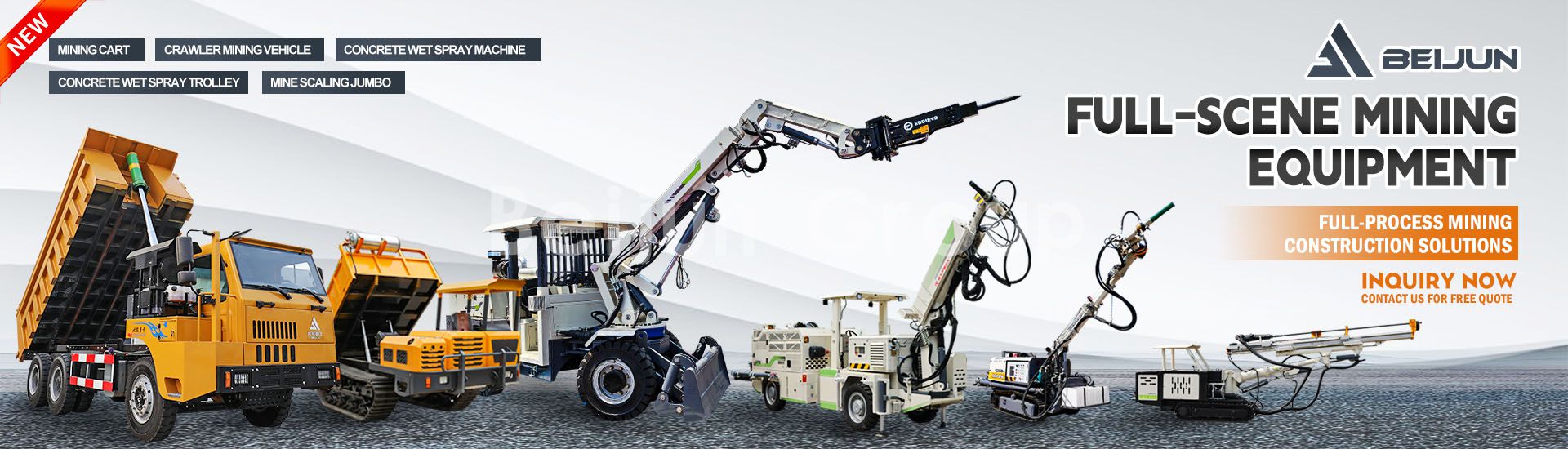
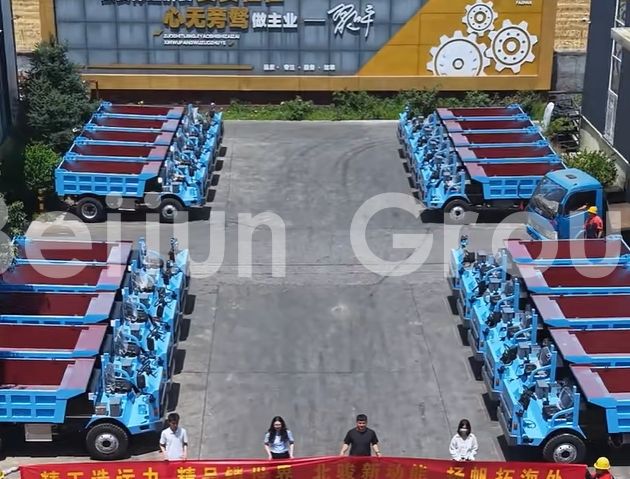
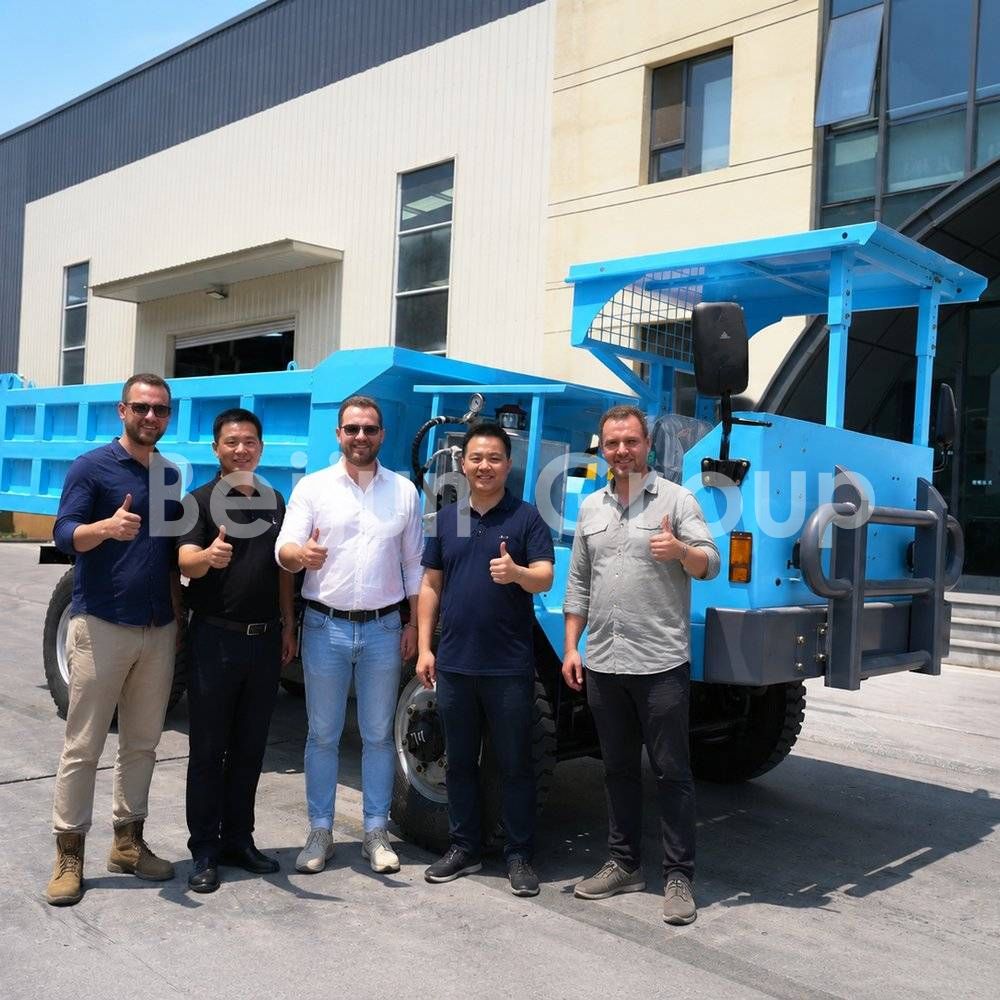
Beijun Group manufactures Underground Dump Trucks, Wet Shotcrete Machines, and a full range of mining support equipment. Contact us to learn more about how we can support your mining operations.
Contact Beijun Group
Email: beijun@beijun-group.com
Phone: +86 17854788133
Website: https://www.beijun-group.com/
Address: Beijun Industrial Park, Jining, Shandong, China
Mention this article when you contact Beijun. We will send you product specs and pricing within 24 hours.