French
  Arabic
  German
  Russian
  Dutch
Dutch  Portuguese
  Turkish
  Spanish
  Italian
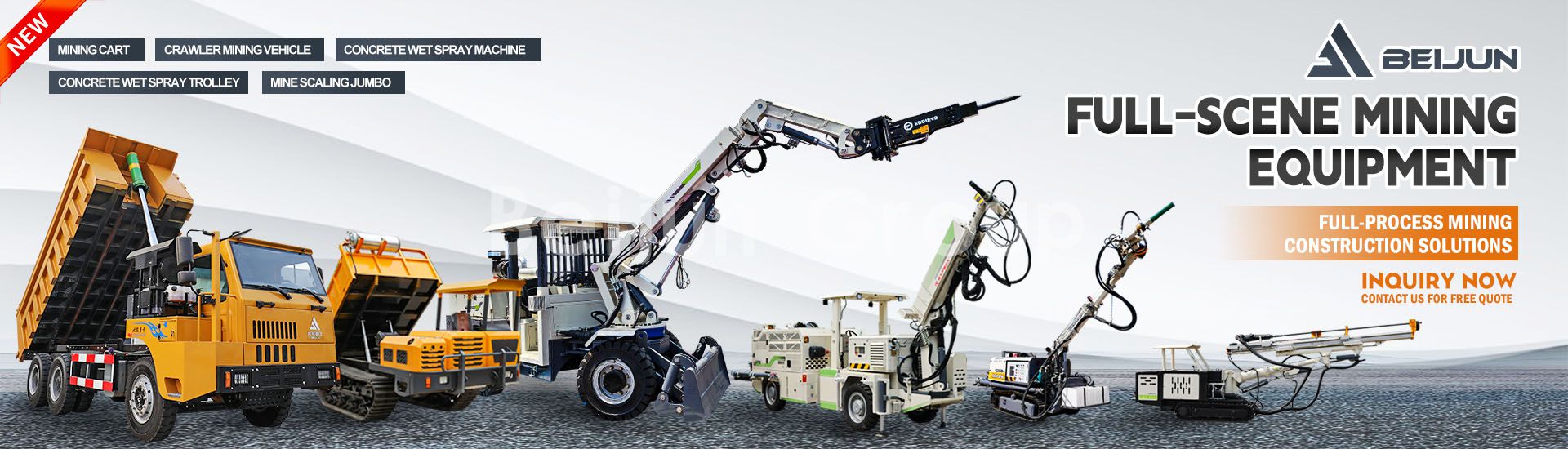
So you are buying underground mining trucks. Or maybe you are just starting to look. Either way, you already know it is not a simple decision. There is a lot of money on the line. And the wrong truck can mess up your whole operation.
I have talked to enough mine managers to know what keeps them up at night. Downtime. Safety. Ventilation costs. Parts availability. This article covers all of that. No fancy marketing talk. Just what you need to know before you sign a purchase order.
Why Going Deeper Changes Everything
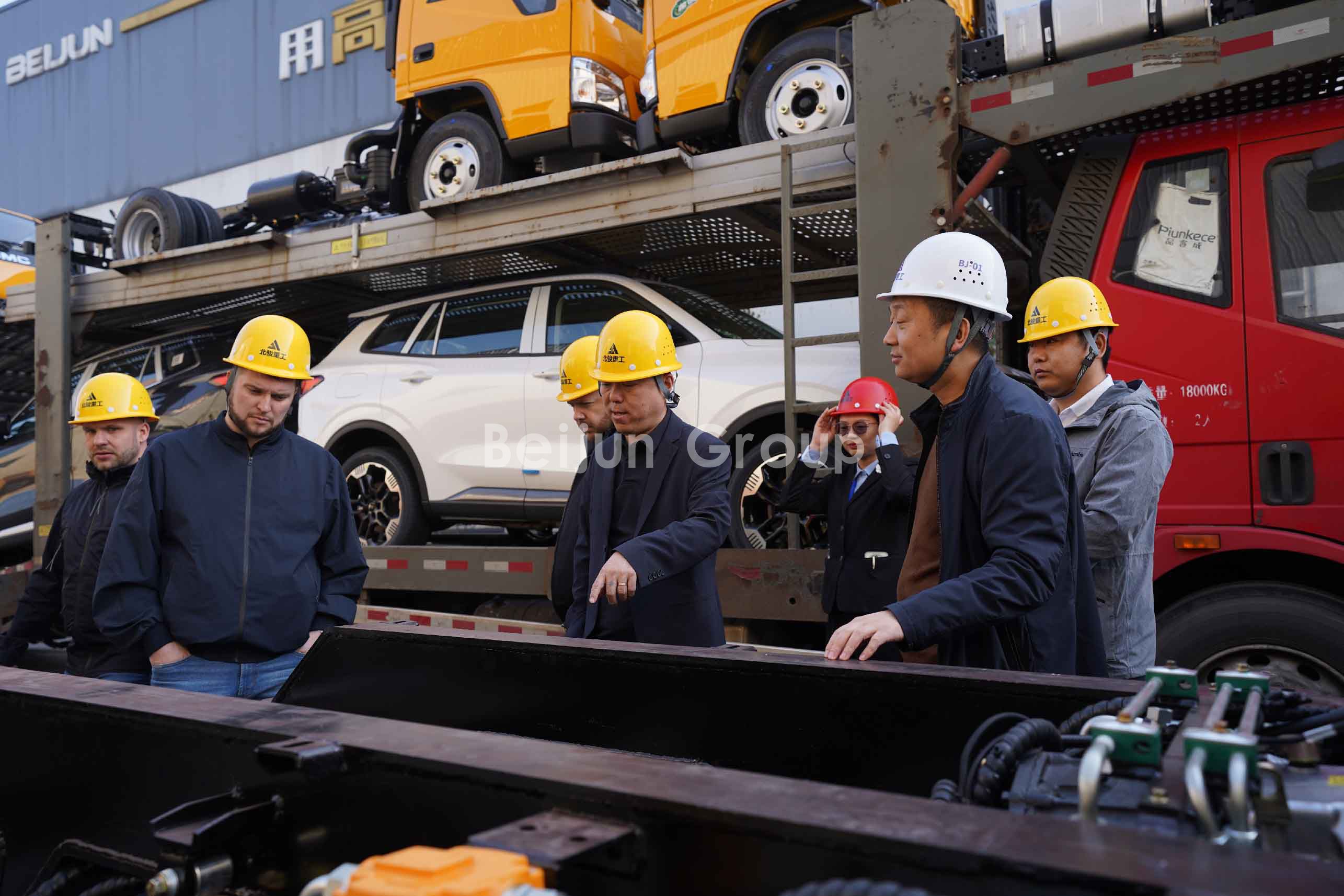
Surface mining is easy. You have room to move. The air is fresh. If a truck breaks, you tow it out. Underground is different. Tight spaces. Bad air. Steep ramps. And if something breaks deep down, getting it out is a real headache.
More mines are going underground these days. Not because they want to. Because the surface stuff is gone. Right now about 30 percent of non-fuel minerals come from underground. Some reports say that hits 45 percent by 2030.
That means more underground mining equipment running more hours in tougher conditions. So the trucks have to be built better. Simple as that.
A guy I know runs a mine in Canada. He told me last year, "We used to run any truck that had four wheels. Now we are 2000 meters down. The truck has to fit through openings that are barely wider than the cab. And if it breaks, good luck." That is the reality.
What the Market Looks Like Right Now
Let me throw some numbers at you. The underground mining trucks market was worth about 8.2 billion dollars in 2025. That is according to Global Market Insights. They say it grows about 7.4 percent each year through 2032.
Why the growth? Three reasons. One, copper and lithium are hot right now because of EVs and batteries. Two, old mines are getting deeper and need more trucks. Three, a lot of old fleets are getting replaced because of new rules on emissions and safety.
Where are most trucks sold? Asia-Pacific buys the most. About 38 percent of all sales. China, Indonesia, Mongolia. Mostly for coal, gold, and copper. North America is next at 27 percent. That is lithium and uranium in Canada and the US. South America takes 18 percent. Copper in Chile and Peru mainly. Africa gets 12 percent. Cobalt in the DRC and copper in Zambia. The rest is Europe and other places.
One number that surprised me. In 2025, mines ordered over 300 battery-electric underground mining trucks. That is almost three times what they ordered in 2022. So the move away from diesel is happening. Slowly, but it is happening.
What Actually Matters When You Pick a Truck
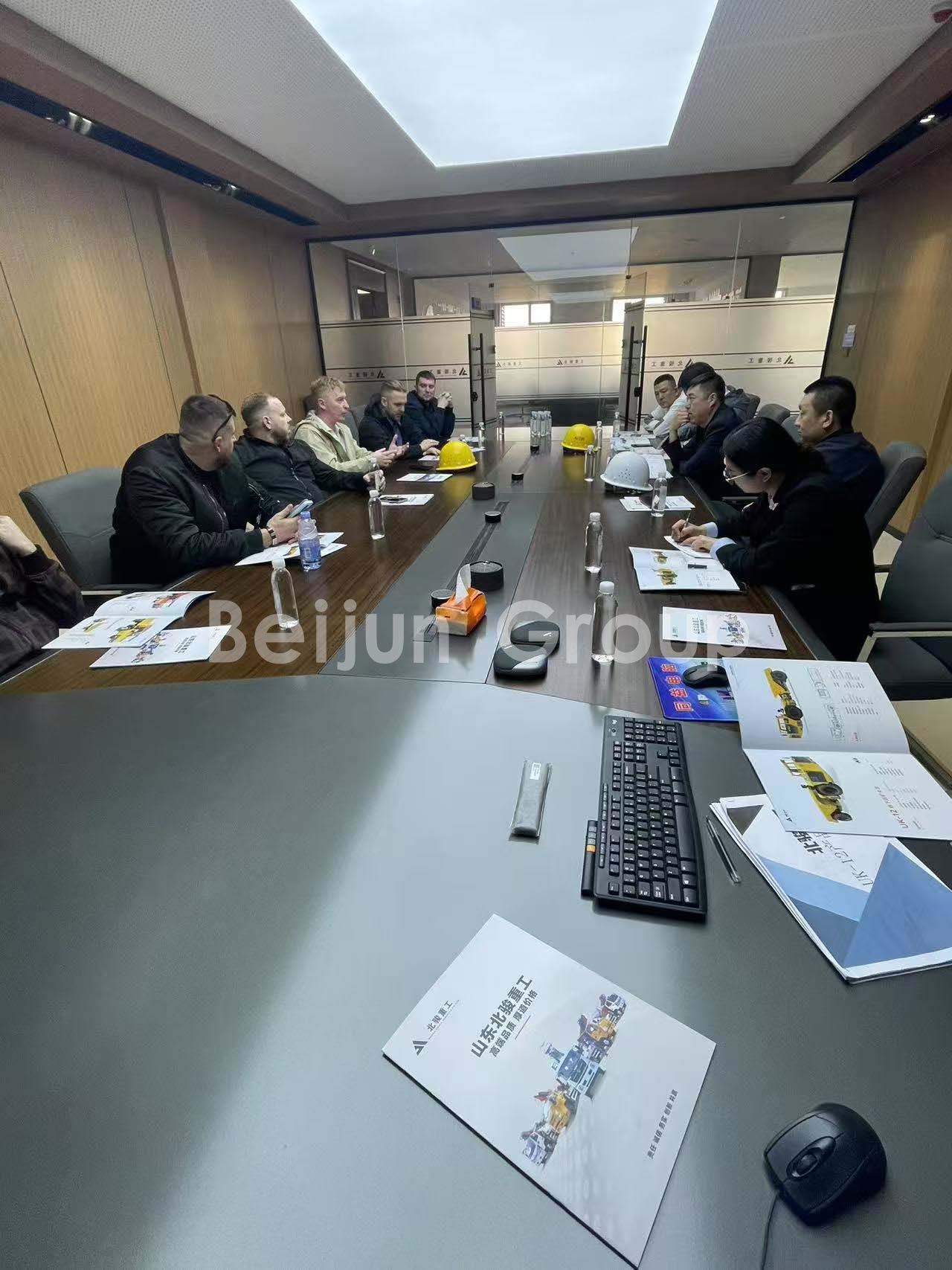
I have sat through too many sales pitches where the only thing they talk about is payload. Payload matters. But it is not the only thing. Here is what experienced buyers look at.
Brakes. This is the first thing I tell people. If your mine has steep ramps, do not cheap out on brakes. You want a wet brake system underground dump truck. The brakes are sealed and oil-cooled. They handle heat way better than dry brakes. For shallower mines, an air brake system underground dump truck might save you some money upfront. Just know what you are giving up.
Powertrain. Diesel is still the most common. Tier 4 or Stage V engines are pretty clean. Diesel packs a lot of energy and refueling is fast. But ventilation costs are no joke. Every liter of diesel you burn needs air to get rid of the exhaust. That air costs money to move around.
Battery-electric trucks have no exhaust. So less ventilation needed. Less noise too. And less heat underground. I saw a report on a Canadian nickel mine. They switched seven diesel trucks to battery-electric. Cut ventilation energy use by 52 percent. That is real money. The downside is upfront cost and charging time. More on that later.
Frame and dump body. A heavy duty underground mining truck starts with a strong frame. Look for high-strength steel and robot welding. The dump body should be wear-resistant. Hardox or something similar. If the body wears out in two years, your operating costs go through the roof.
For mines that want zero emissions, an electric underground mining truck is worth a serious look. Run the numbers over 8 or 10 years. Electric often comes out cheaper even with the higher purchase price. But you have to do the math for your specific mine.
How These Trucks Get Built and Delivered
Knowing how a truck is made helps you ask better questions. Here is the typical process.
It starts with engineering. The manufacturer runs computer simulations to see where stress builds up in the frame. They adjust the wheelbase and suspension based on your mine's dimensions. So give them accurate numbers on drift sizes and gradients. Garbage in, garbage out.
Then they cut and weld the steel. Plasma cutters and robot welders for consistency. The powertrain goes in next. For diesel, that is the engine, transmission, and cooling. For electric, batteries and motors. Then the brake system and hydraulics.
Before the truck leaves the factory, they run a burn-in test. Usually 24 hours on a machine that simulates a real haul cycle. They check brake temperatures, hydraulic leaks, and cycle times. If something fails, they fix it before shipping.
At your mine, technicians commission the truck on site. They set speed limits to match your rules. They integrate the truck with your proximity detection system. This takes time. Do not rush it.
I know a mine in Peru that skipped the on-site calibration to save time. Two trucks collided in the first week. Both were written off. Take the time to do it right.
Three Trends You Need to Know
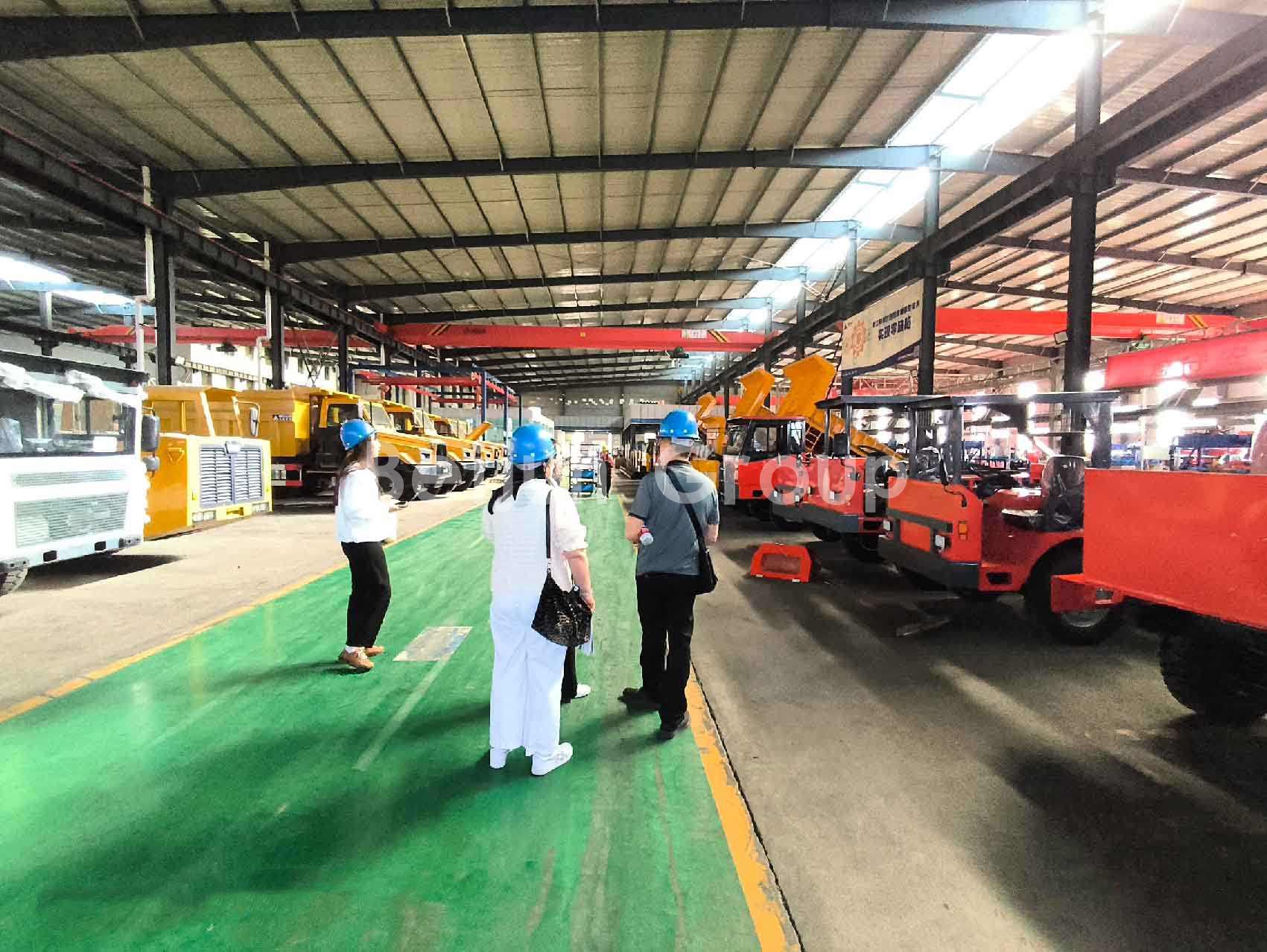
Battery-electric is getting better. Early electric trucks had short range and slow charging. That is changing. Newer models run 4 to 8 hours on a charge depending on the grade. Chargers with 600 kilowatts can top up a truck during shift change. Some mines use battery swapping to keep trucks running all shift.
If you are looking at an underground mining truck with air brake or a fully electric model, ask about battery life. Good packs last 1,500 cycles or more. And ask what a replacement battery costs. Usually 25 to 30 percent of the original truck price. Due at year five or seven.
Autonomy is coming. Fully autonomous underground mining trucks are already working in Sweden and Australia. The tech works. Utilization goes up 15 to 20 percent because autonomous trucks do not take breaks. But upfront cost is high. And not every mine has the network for it.
My advice? Buy trucks that are autonomy-ready. Sensors, CANbus, software hooks. You may not use autonomy today. But you might want it in five years. Retrofitting is expensive.
Predictive maintenance saves money. Modern trucks have sensors on axles, brakes, and hydraulics. The sensors feed data into software that predicts failures before they happen. One copper mine in Chile cut unplanned downtime by 34 percent with predictive maintenance. That is weeks of extra production every year.
Ask what predictive features come standard. Also ask if you can access the data and if it works with your existing systems.
Questions I Get Asked All the Time
How long should a truck last?
With good maintenance, a well-built underground mining truck can last 40,000 to 60,000 hours. That is 8 to 12 years. The frame is usually what gives out first. Good manufacturers offer 5 to 7 years on the frame. If you are buying used, ask for the hour meter and maintenance log. Pay attention to brake wear and any frame cracks that have been repaired.
How do I pick the right payload size?
A good rule is 4 to 6 loader bucket passes per truck load. If your LHD has a 10 tonne bucket, look for a 40 to 60 tonne truck. But remember grades cut into effective payload. On a 12 percent slope, a 50 tonne underground mining truck might only handle 40 tonnes safely. Always ask for a gradability chart based on your mine's elevation and ramp conditions.
Are electric underground mining trucks more expensive to maintain?
Yes. Usually 20 to 35 percent cheaper than diesel. No oil changes. No DPF cleaning. No exhaust systems to deal with. The big cost is battery replacement after 5 to 7 years. Some companies offer battery leasing now to spread out that cost. Worth asking about.
What safety certs do I need?
For underground, get CANMET if you are in Canada. MSHA for the United States. ISO 19296:2018. EN 1889-1 for fire suppression. ISO 21815 for collision avoidance. For steep mines, the wet brake system is often required by local rules. Do not buy a truck without these. The liability is not worth it.
One Last Thing Before You Buy
Here is the honest truth. No truck is perfect for every mine. The right choice depends on your depth, your tonnage, your haul distance, and your budget. But do not just look at the purchase price. Look at total cost over 10 years. Factor in ventilation savings for electric trucks. Think about maintenance and parts availability. Talk to other mines that run the models you are considering.
Ask tough questions. How many of these trucks are out there right now? What is the average time between failures? How fast can I get a replacement brake caliper or a drive motor? A good supplier answers these questions. A bad one dodges them.
If you are shopping for trucks right now, get a few quotes and run your own TCO numbers. Every mine is different. What works for a copper mine in Chile may not work for a lithium mine in Canada.
Want a deeper dive? Send an email to procurement@miningequipmentinsights.com. Tell us your mine's basic info. Depth. Daily tonnage. Haul distance. We will send you a free sourcing checklist and TCO calculator. Covers spec templates, battery payback models, and comparison criteria for 10 major OEMs.
First ten qualified buyers get a free three day haul cycle simulation using your actual mine layout. That alone is worth the email.