French
 Arabic
 German
 Russian
 Dutch
 Portuguese
 Turkish
 Spanish
 Italian

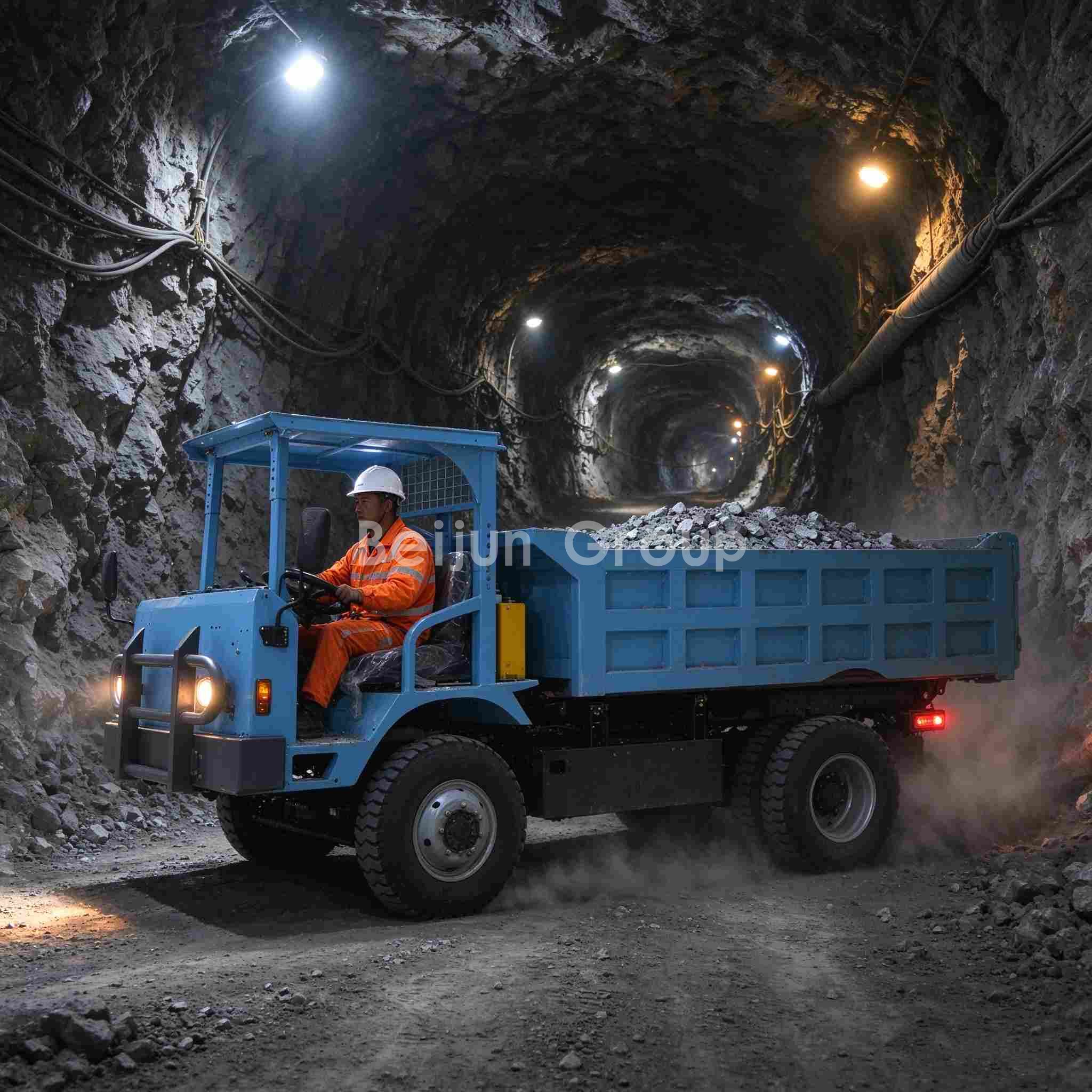
Ventilation Is Part of the Haulage Cost
In an underground mine, the cost of moving ore does not stop at fuel and equipment maintenance. Diesel-powered trucks also add exhaust gases and heat to the working environment, increasing the demand placed on mine ventilation systems. For narrow-vein operations, where production areas are often confined and haulage routes can be difficult to expand, ventilation capacity is an important part of the operating equation.
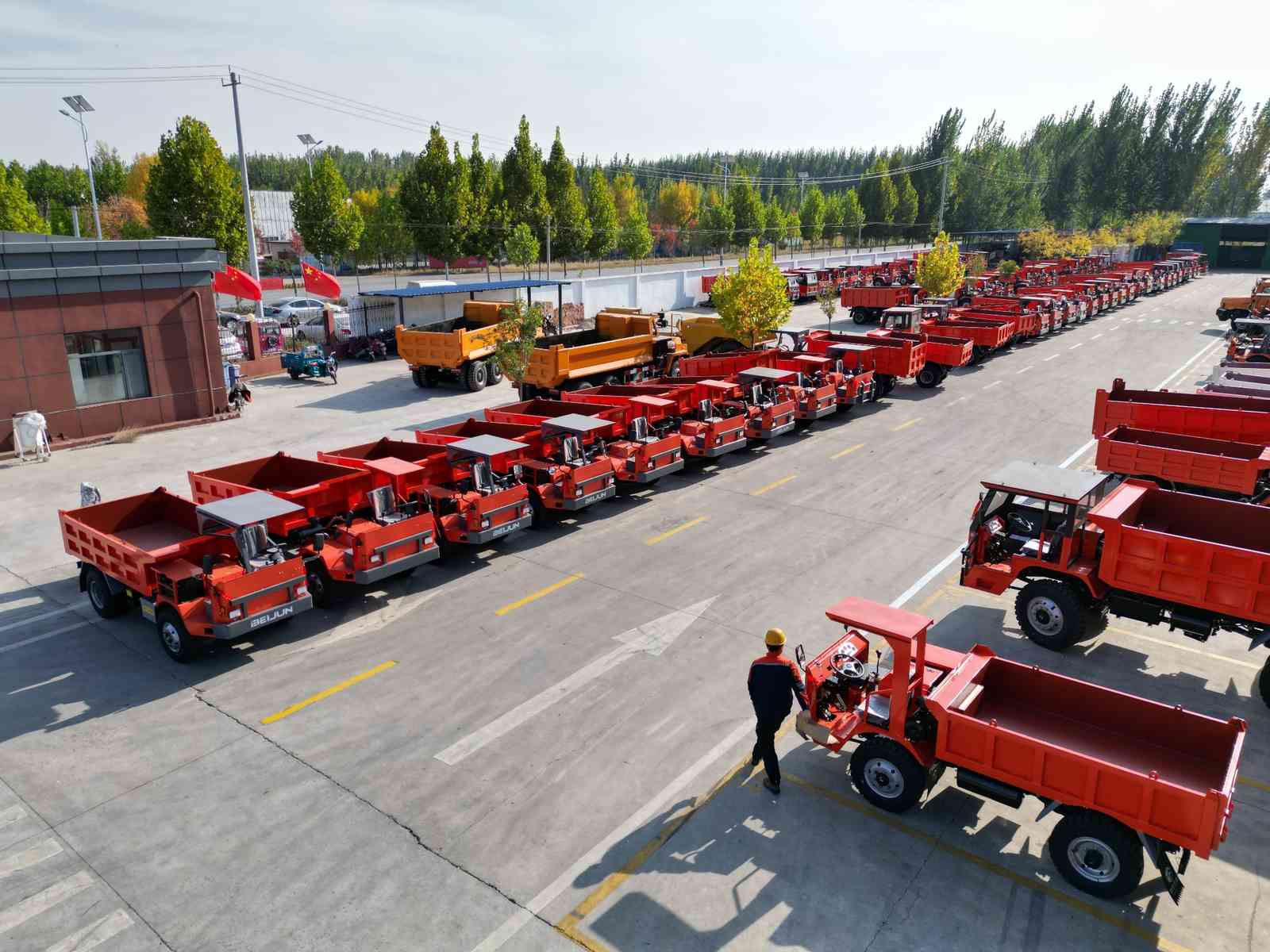
Battery-electric haulage changes this equation. With no diesel engine producing exhaust at the point of use, an electric truck can reduce diesel-related emissions in underground working areas. It does not eliminate the need for ventilation, which must still manage heat, dust and other contaminants, but it can reduce one of the sources that ventilation systems have to handle. The Beijun 3T electric underground mining truck is designed for mines looking to bring battery-electric transport into narrow underground workings.
Compact Dimensions for Narrow-Vein Workings
In narrow-vein mining, vehicle dimensions can determine whether a haulage truck can reach the working area at all. A machine that is too wide or too tall may restrict access, complicate turning and reduce the usable space available to other underground equipment. Payload capacity matters, but it has to be considered alongside the dimensions of the mine's drifts and loading areas.
The Beijun 3T electric mining truck measures 4.15 × 1.45 × 1.55 meters overall. Its cargo box measures 2.4 × 1.5 × 0.45 meters, with a wheelbase of 1,950 mm and a listed cab height of 1,800 mm. The compact footprint is intended for underground routes where available width and headroom are limited.
These dimensions give mine planners a useful starting point when checking equipment compatibility. Actual suitability still depends on drift width, turning radius, roadway condition, clearance around services and the layout of loading and unloading points. Buyers should compare the truck dimensions with their own underground drawings before selecting a configuration.
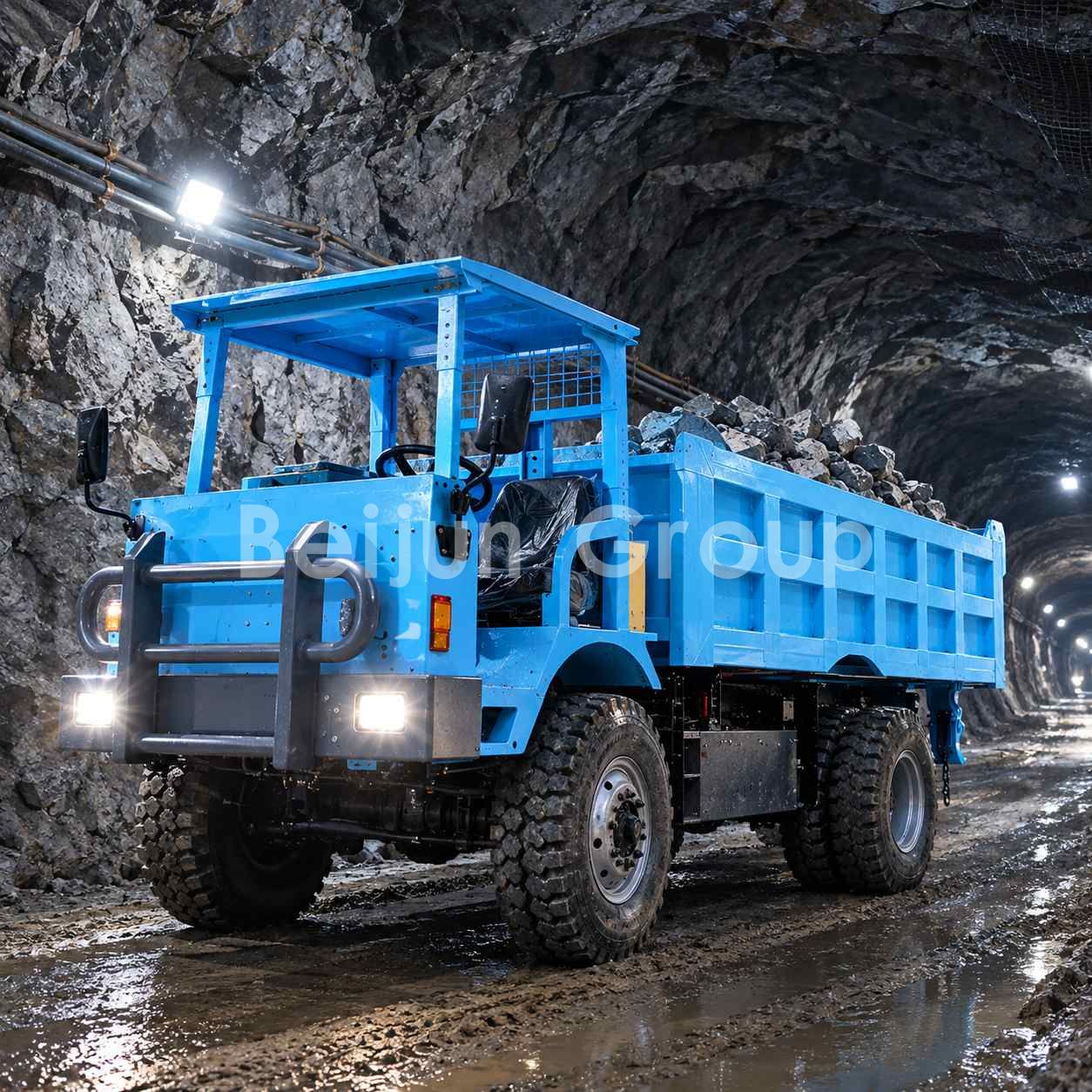
Electrical Protection for Wet Underground Conditions
Water and mud are routine challenges in many underground workings. Runoff, standing water and abrasive material can expose electrical equipment to conditions that are very different from those encountered by vehicles operating on dry surface roads. For battery-electric mining trucks, protection of electrical components is therefore an important part of equipment selection.
The Beijun 3T model is specified with an IP66 protection rating. Under the IP rating system, the first digit indicates protection against dust ingress, while the second relates to protection against powerful water jets under defined test conditions. IP66 should not be interpreted as permission to submerge the vehicle. Buyers should also confirm which electrical components and enclosures are covered by the stated rating.
The cargo box lifting system uses a 5 kW hydraulic pump motor and a four-stage, double-acting hydraulic cylinder, listed with dimensions of 115 × 900 mm. This arrangement provides the hydraulic power required for cargo box tipping. For mines handling wet or sticky material, buyers should assess the lifting arrangement together with the type of ore, unloading conditions and maintenance access.
Remote Monitoring and Fault Diagnosis
Electric haulage introduces a different set of maintenance considerations from diesel-powered equipment. In addition to routine mechanical inspections, operators need to keep track of battery condition, electric motor performance and the wider drivetrain system. A fault that goes unnoticed can interrupt a haulage cycle just as quickly as a mechanical problem.
Beijun's electric truck platform includes remote performance monitoring and a fault diagnosis system. The system classifies operating conditions into normal, mild abnormal and severe abnormal levels, providing a way to identify changes in vehicle status and support maintenance decisions.
For a mine operating with a limited number of haulage vehicles, early visibility of equipment faults can help maintenance teams investigate problems before they develop into longer interruptions. The practical value depends on the monitoring functions available, communication coverage underground and the mine's maintenance response process. Buyers should confirm the supported monitoring parameters and diagnostic functions when discussing the truck configuration.
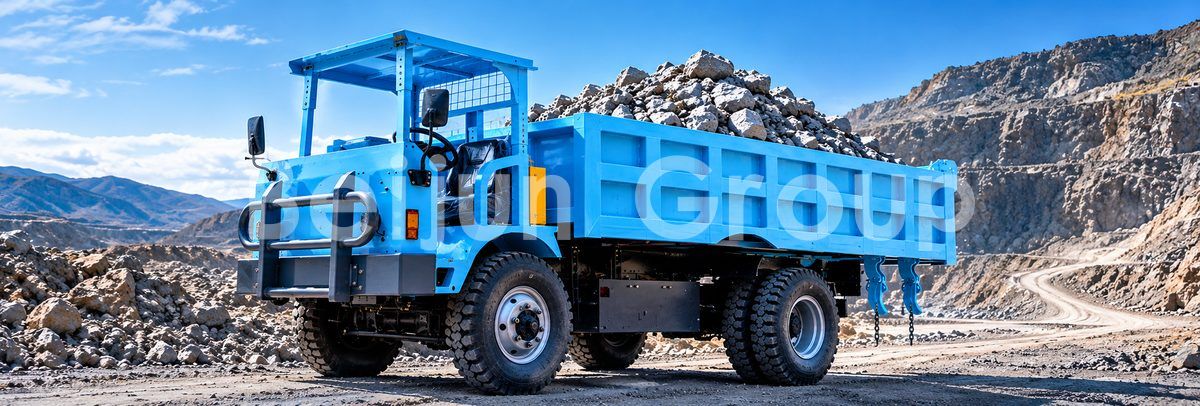
Where a 3T Electric Mining Truck Fits
A compact electric mining truck is not automatically the right choice for every underground operation. Its suitability depends on the mine's production target, haul distance, gradient, charging arrangements, roadway dimensions and available maintenance support. Battery capacity and charging time should also be assessed against the planned shift pattern to determine whether the truck can meet daily transport requirements.
The Beijun 3T electric underground mining truck is aimed at applications where compact vehicle dimensions and the reduction of diesel exhaust at the point of use are important considerations. Its 4.15-meter overall length, 1.45-meter width and specified IP66 protection rating provide key reference points for evaluating the truck against the conditions of a particular mine.
Contact Beijun Group
If you are considering battery-electric haulage for a narrow-vein mining project, contact Beijun to discuss the truck's technical specifications, operating conditions and available configurations. For further product information, visit the Beijun 3T Electric Underground Mining Truck product page.
Email: beijun@beijun-group.com
Phone: +86 17854788133
Website: www.beijun-group.com
Address: Beijun Industrial Park, Jining, Shandong, China