French
 Arabic
 German
 Russian
 Dutch
 Portuguese
 Turkish
 Spanish
 Italian
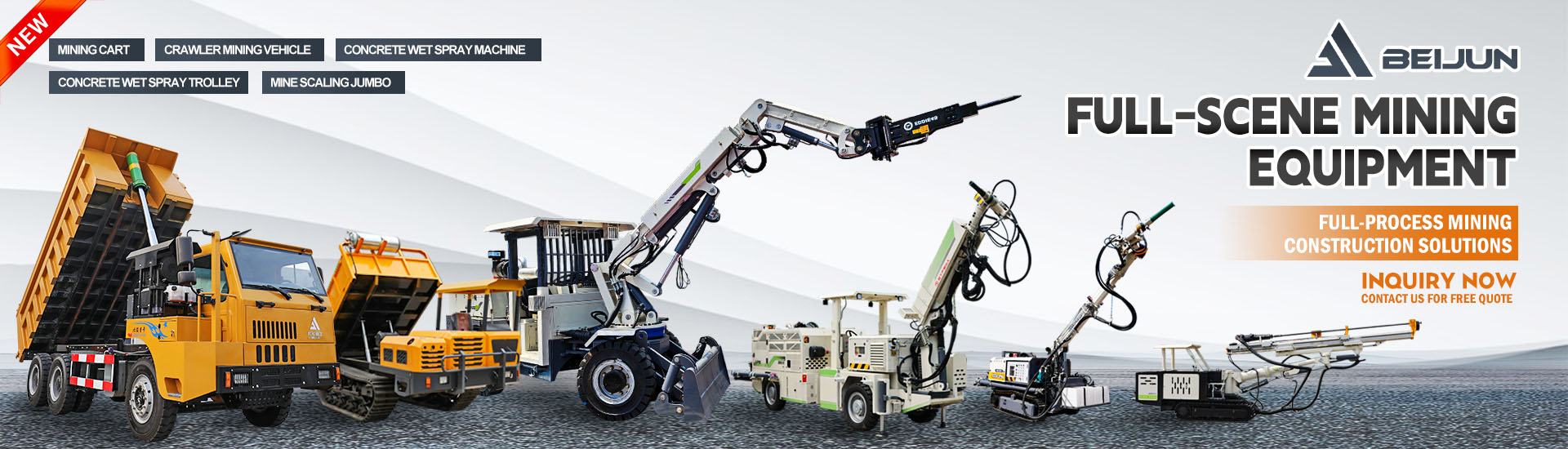
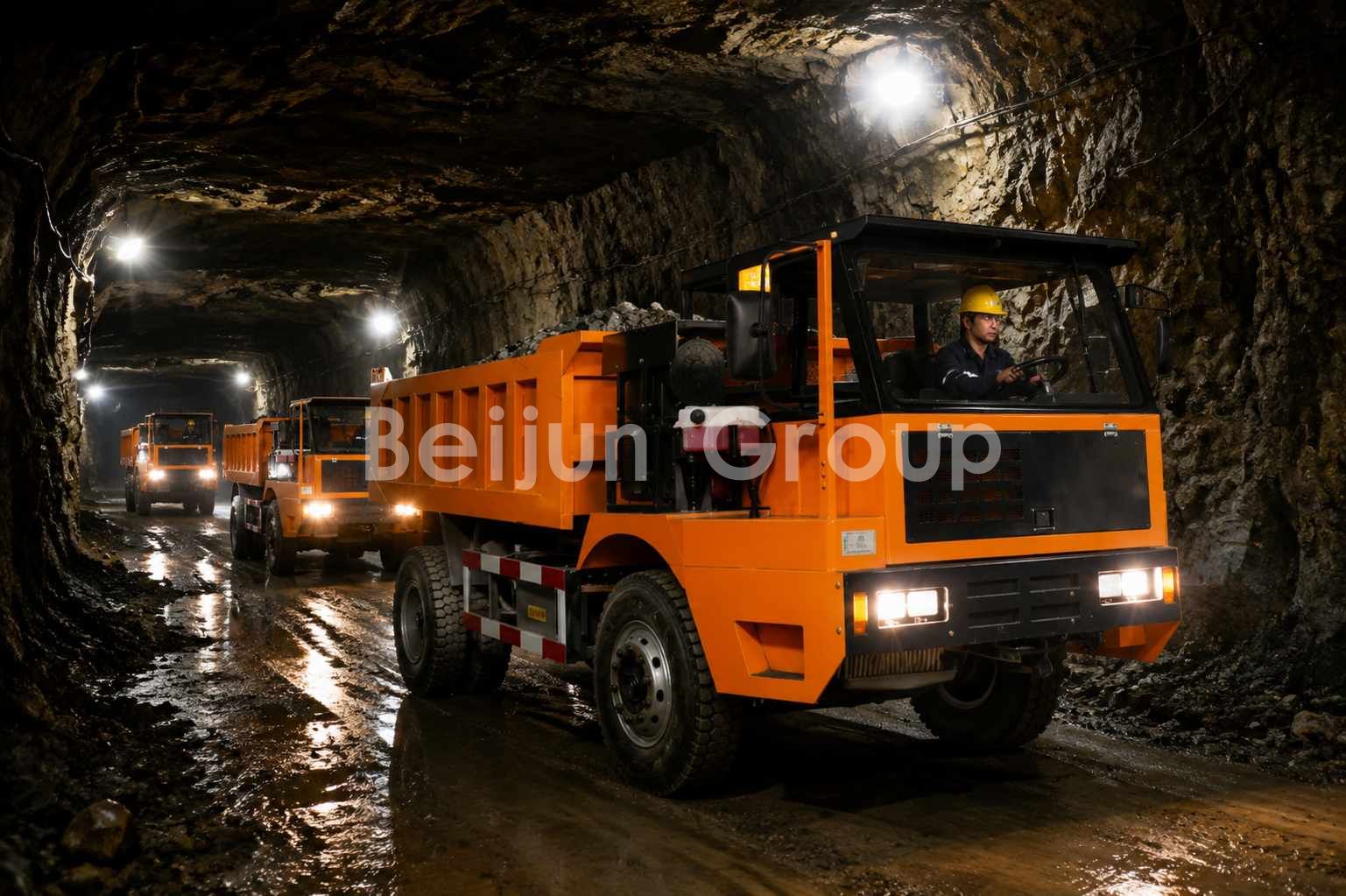
Moving large volumes of ore underground is not simply a matter of increasing truck capacity. A heavier load places greater demands on the engine, transmission, axles, frame and braking system. On long underground ramps and in confined haulage routes, these components have to work together under demanding operating conditions.
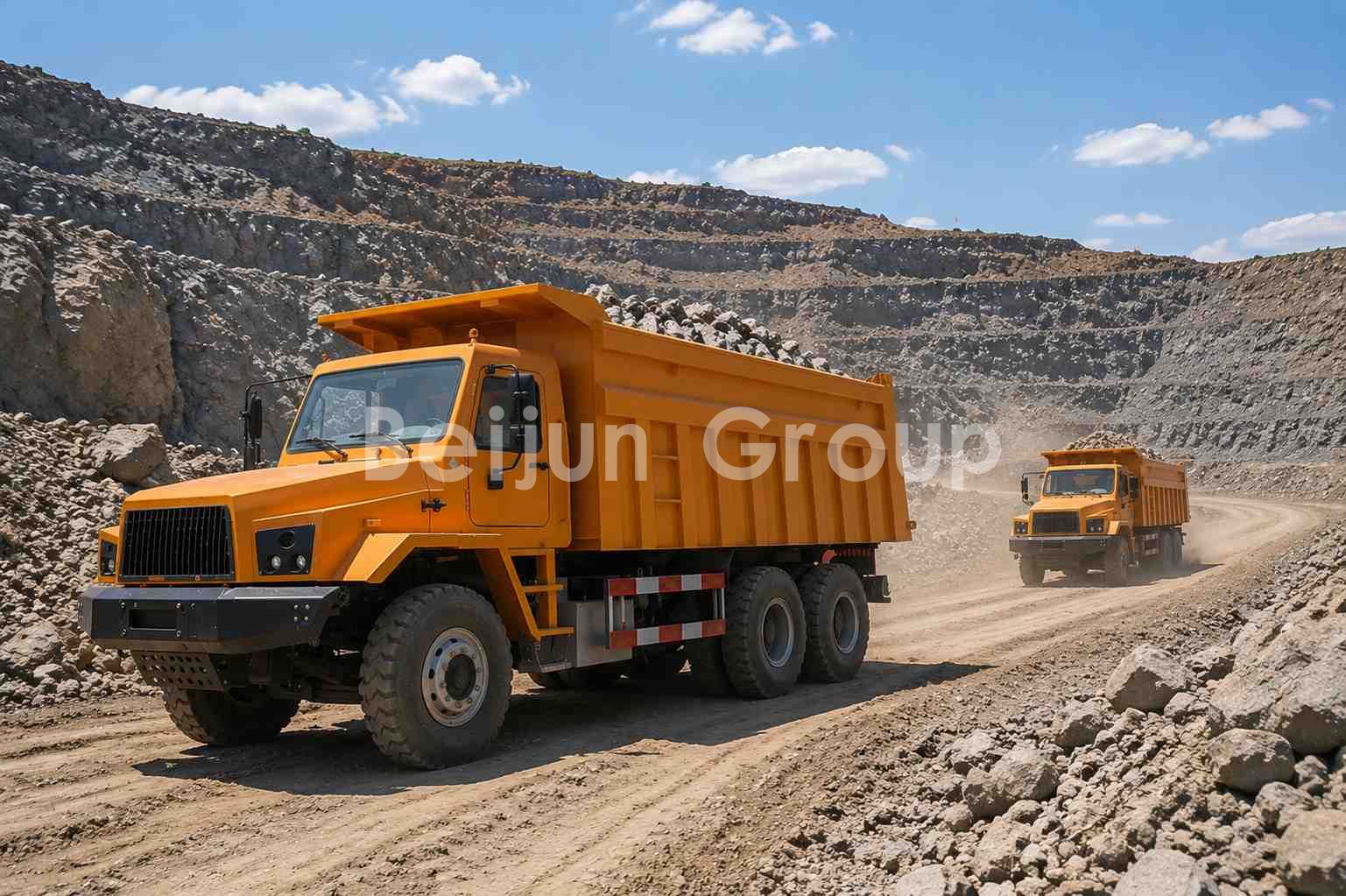
For mines handling high-volume material, a 25-ton underground mining truck can provide the payload capacity needed for heavy-duty haulage. Beijun's 25-ton underground dump truck is configured around a Yuchai engine, a reinforced Hande drive axle and a wet brake system, with specifications intended for demanding underground transport work.
The Demands of Heavy Underground Haulage
Underground haulage conditions differ from those of surface transportation. Tunnel dimensions restrict vehicle movement, road surfaces can vary considerably, and loaded trucks must operate through ramps, bends and changing gradients. These conditions place continuous demands on the truck's structural strength and braking performance.
Payload capacity is only one part of the operating equation. A truck designed for heavier loads also needs a suitable powertrain, a durable chassis and a braking arrangement appropriate for repeated underground operation. If one of these systems becomes a weak point, the benefits of carrying more material per trip can be reduced by maintenance interruptions or operating limitations.
This is why buyers evaluating a heavy underground dump truck should look beyond the rated payload. The engine specification, transmission configuration, axle construction, tire selection and braking system all deserve attention.
Why the Wet Brake System Matters Underground
Braking is a critical consideration for underground mining trucks, particularly when vehicles regularly travel under load. Repeated braking, confined roadways and underground operating conditions make brake system design an important part of equipment selection.
The Beijun 25-ton underground mining truck is equipped with a wet brake system. Unlike conventional dry braking arrangements, wet brakes operate with friction components housed in an oil-filled enclosure. This design helps protect braking components from direct exposure to external dust and contaminants while supporting heat management during braking.
For underground applications, this enclosed arrangement is relevant because dust, moisture and repeated braking cycles can all affect component condition. The actual braking performance still depends on the complete system configuration, vehicle load, road gradient, maintenance condition and operating practices.
Yuchai Engine and Heavy-Duty Transmission
The powertrain needs to deliver more than engine output alone. Underground trucks frequently work at relatively low speeds, carry heavy loads and move through routes where controlled acceleration and sufficient driving force are important.
This model uses a Yuchai YC6L330-T300 engine. It is paired with a 10-speed transmission, with the listed transmission model specified as 10JS200 or 10JS220. The final configuration should be confirmed according to the selected vehicle.
A multi-speed transmission gives the operator different gear ratios for changing load and driving conditions. In underground haulage, the appropriate gear selection helps match engine operation to the demands of ramps, loaded travel and other working conditions.
For buyers, it is worth confirming the exact transmission model, engine configuration and compatibility with the mine's operating conditions before placing an order.
Reinforced Frame and Hande Drive Axle
A truck carrying a 25-ton payload needs a chassis capable of supporting substantial working loads. Frame construction and axle selection are therefore important considerations when assessing long-term equipment suitability.
The Beijun model uses a 300 × 80 × (8+8+8) cold-riveted frame. Its drive axle is supplied by Hande and specified as a reinforced axle. These components form part of the truck's structural and load-bearing configuration.
The reinforced axle is designed for heavy-duty vehicle applications, while the frame provides the main structural support for the vehicle and its loaded body. Their suitability in actual mine conditions should be assessed alongside payload requirements, road conditions, maintenance arrangements and operating intensity.
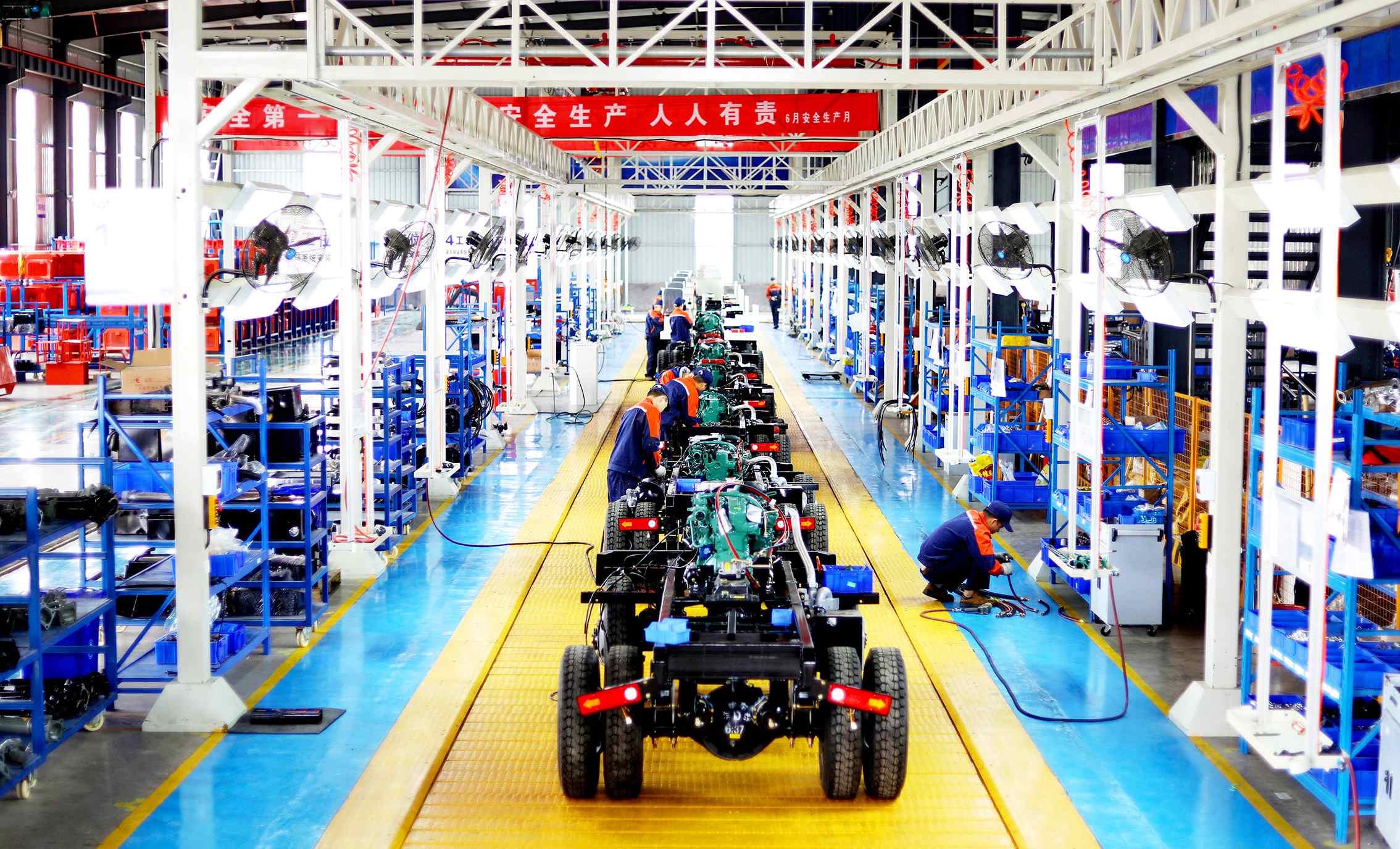
Truck Dimensions, Tires and Cargo Body
Vehicle dimensions matter underground. A truck must be compatible with the mine's tunnel width, height, turning radius and loading arrangements. Buyers should compare the vehicle's overall dimensions with the actual underground roadway layout rather than relying on payload capacity alone.
The listed overall dimensions of this Beijun 25-ton underground mining truck are 7,053 × 2,500 × 2,710 mm. The cargo body measures 5,000 × 2,500 × 1,000 mm, and the vehicle is equipped with 1000R20 Kunlun mining steel-wire tires.
These specifications provide a starting point for checking compatibility with loading areas, haulage routes and unloading points. Tire selection should also be considered in relation to underground road surfaces, load distribution and maintenance requirements.
Cabin and Operator Controls
Underground truck operators spend long periods working in confined environments. Instrument visibility, control access and basic equipment usability all contribute to day-to-day operation.
The listed configuration includes an LCD instrument panel, a USB audio interface and four headlights. The truck is also equipped with dual wipers featuring high- and low-speed adjustment.
When evaluating the cabin, mine operators should consider visibility, access, control layout and compatibility with their working environment. The final cabin configuration and available options should be confirmed with Beijun before ordering.
What Buyers Should Check Before Choosing a 25-Ton Truck
A 25-ton underground mining truck should be selected according to the mine's actual haulage requirements. Before confirming a configuration, buyers may want to review several practical points:
Roadway dimensions: Check vehicle width, height, length and turning requirements against the mine's underground routes.
Haulage conditions: Consider route length, gradients, road surfaces and the proportion of loaded and unloaded travel.
Braking requirements: Confirm the wet brake system configuration and its suitability for the mine's operating conditions.
Powertrain: Verify the engine and transmission models supplied with the selected truck.
Axle and frame: Review the structural configuration against the required payload and expected operating intensity.
Maintenance support: Discuss spare parts availability, maintenance procedures and after-sales service before purchase.
These checks help buyers assess whether the truck's configuration matches the mine's requirements, rather than making a decision based on payload rating alone.
Beijun Underground Mining Equipment
Beijun Group supplies equipment for underground mining operations, including underground mining trucks, scaling jumbos, rock drilling jumbos and wet shotcrete machines.
Different mines have different requirements for haulage capacity, roadway dimensions and equipment configuration. Beijun can discuss the application requirements with buyers and provide further information about the available equipment specifications.
Contact Beijun Group
Email: beijun@beijun-group.com
Phone: +86 17854788133
Website: www.beijun-group.com
Address: Beijun Industrial Park, Jining, Shandong, China