French
 Arabic
 German
 Russian
 Dutch
 Portuguese
 Turkish
 Spanish
 Italian
Non-coal underground mining truck market to reach $1.48 billion by 2032 at 7.6% CAGR. Battery-electric models gain commercial traction. Narrow-vein and deep mines drive demand for compact, purpose-built haulers.
The underground mining truck market is changing. Surface deposits are depleting. Mines are going deeper. Ore bodies are getting narrower. And emission rules are tightening. All of these trends are reshaping what mines need from their haulage fleets.
Here is what is happening in the underground mining truck sector right now.
Market Growth – Steady Expansion for Non-Coal Underground Trucks
The global market for non-coal underground mining trucks was valued at approximately $916 million in 2025. By 2032, it is projected to reach $1.48 billion, growing at a compound annual growth rate of 7.6% .
Production volume tells a similar story. In 2025, global output reached roughly 2,562 units, with an average market price of around $365,600 per unit.
What is driving this growth? A few structural factors.
Deeper mines. High-grade surface mineral resources are declining. Mining companies are shifting toward deeper underground operations. That creates sustained demand for efficient underground transport equipment .
Narrow-vein mining. Not every ore body is wide and thick. Narrow-vein deposits require compact trucks that can fit through tight drifts without sacrificing payload. Purpose-built narrow-body trucks are becoming a distinct product category.
Critical minerals. Copper, lithium, nickel, and gold demand continues to rise. Underground mining projects for these minerals are expanding across Asia-Pacific, Latin America, Australia, and Africa.
Electrification – Battery-Electric Underground Trucks Gain Ground
Battery-electric underground mining trucks are moving from pilot projects to commercial reality. The technology is being driven by three forces: stricter emission regulations, ventilation cost reduction requirements, and mining companies’ carbon neutrality targets.
The economics are becoming clearer. Electric trucks eliminate diesel exhaust underground, which directly cuts ventilation energy costs. In confined underground spaces, that savings can be substantial. Maintenance costs also drop because electric drivetrains have fewer moving parts.
Adoption is still concentrated in specific regions and applications. But the direction is clear. Industry reports note that battery-electric underground mining trucks are gaining traction as mines look to reduce diesel dependency and comply with tightening environmental rules .
Autonomy is moving in parallel. Telematics and intelligent fleet management systems are being integrated into modern underground trucks to improve operational efficiency and safety .
Market Segments – Payload, Power, and Application
The non-coal underground mining truck market is segmented by payload, power source, and application.
By payload: Less than 20 tons, 20-40 tons, 40-60 tons, and more than 60 tons . The 20-40 ton segment is the workhorse range for most metal mines. Smaller trucks serve narrow-vein operations. Larger trucks handle high-volume production zones.
By engine: Electric and diesel. Diesel remains dominant in most markets, but electric is the fastest-growing segment.
By frame: Articulated and rigid frame. Articulated trucks offer better maneuverability in tight underground drifts. Rigid frames are used where space allows and payload capacity is the priority.
By application: Metallic ores and non-metallic ores. Copper, gold, nickel, and zinc mines are the primary end users.
Challenges Facing the Market
It is not all smooth sailing. The underground mining truck market faces real constraints.
High acquisition costs. Underground mining trucks are expensive. The average price in 2025 was around $365,600 per unit . For smaller mines, that is a significant capital commitment.
Complex maintenance. Underground trucks operate in harsh conditions. Wear parts need regular replacement. Maintenance requires skilled technicians and reliable parts supply.
Long replacement cycles. Mines do not replace trucks every few years. A well-maintained unit can run for a decade or more. That means the aftermarket is as important as new equipment sales.
Commodity price sensitivity. Underground mining investment is highly sensitive to commodity price fluctuations. When prices drop, new equipment orders slow down .
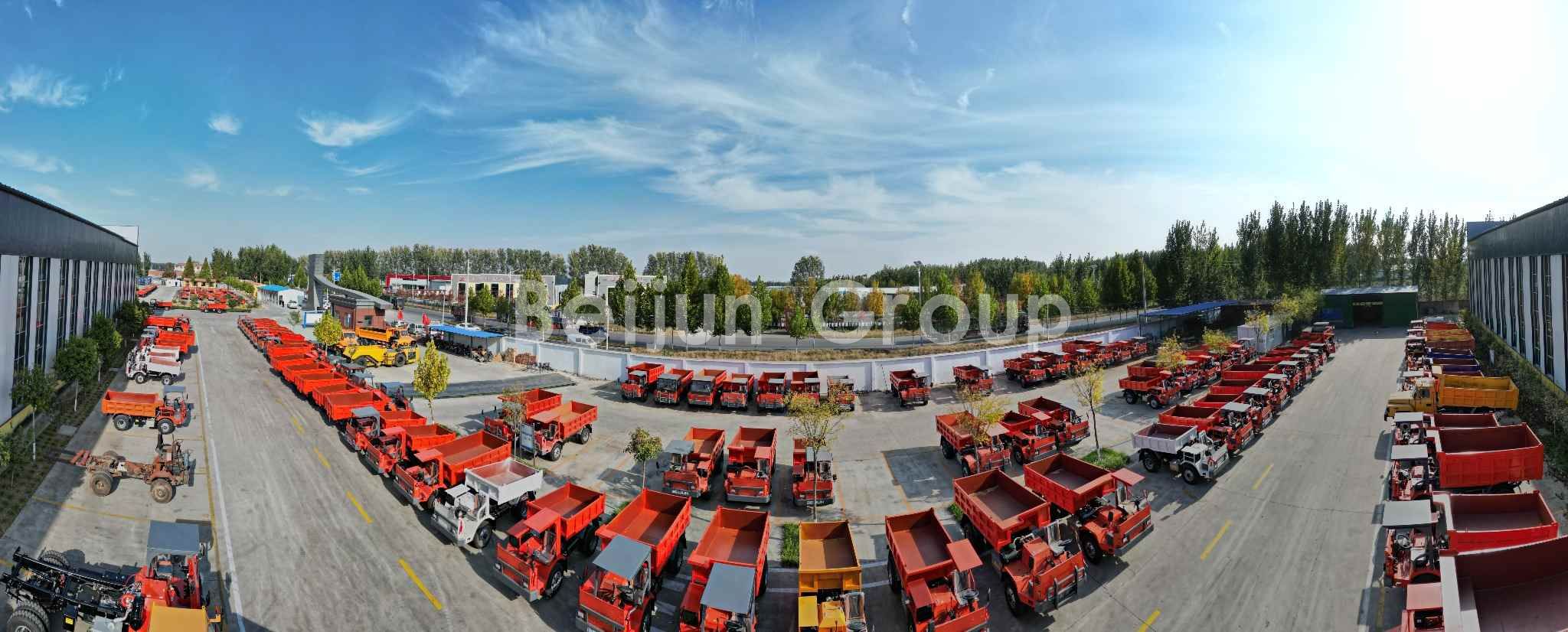
Beijun’s Underground Mining Truck Portfolio
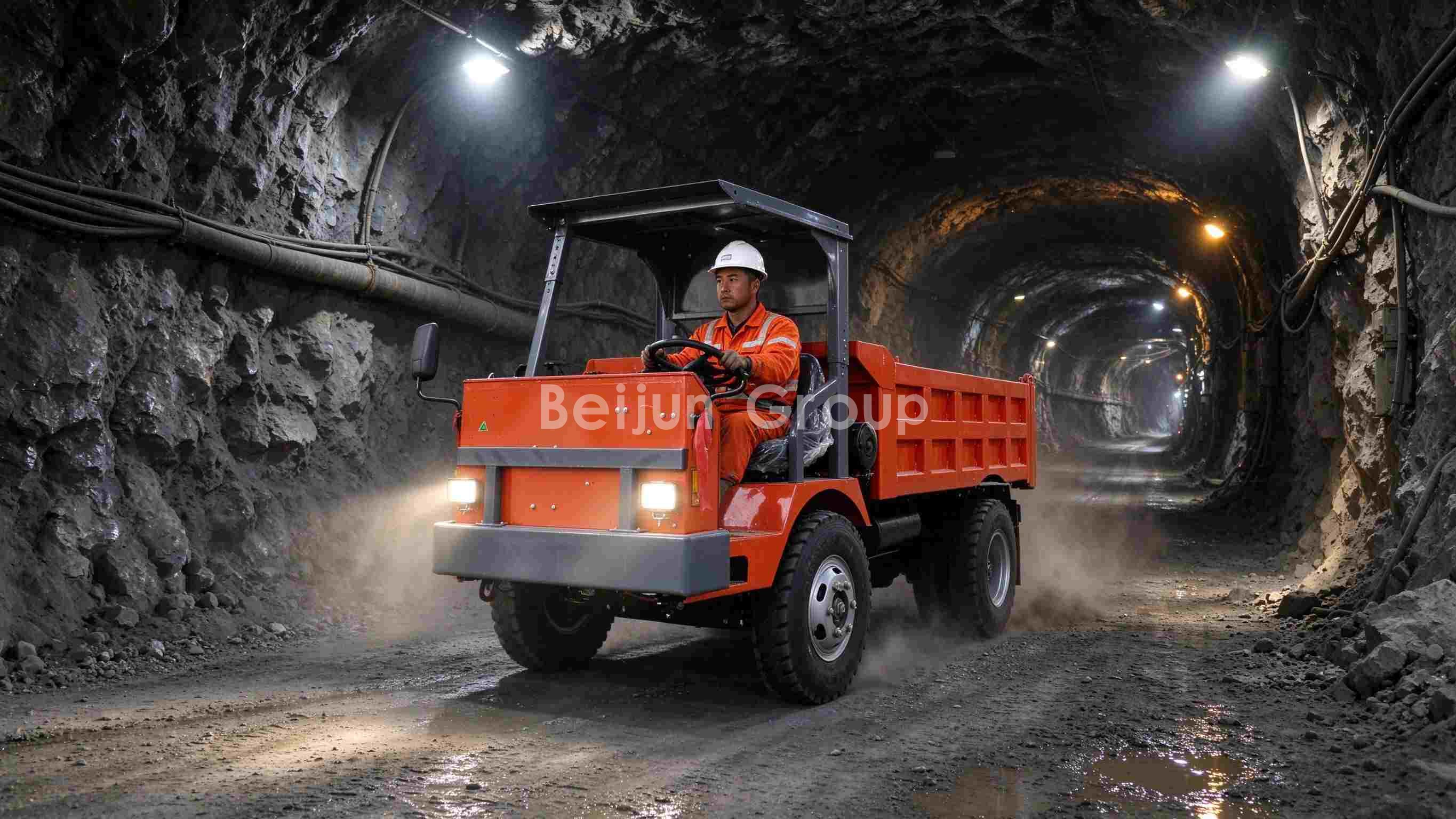
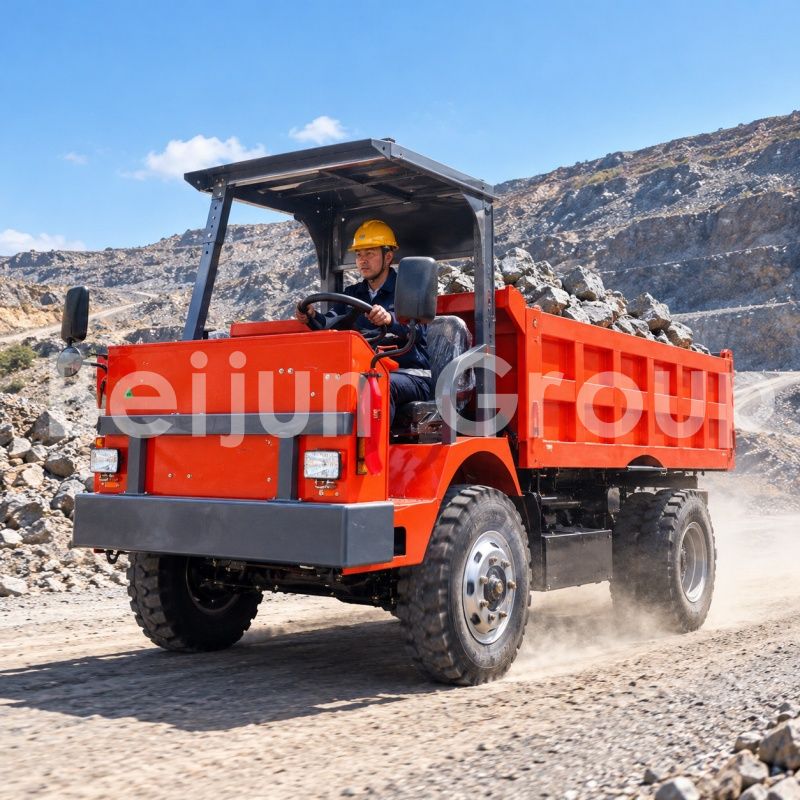
Beijun Group manufactures a full range of underground mining trucks from 3.5 tons to 45 tons. The lineup covers small narrow-vein operations, medium metal mines, and large production haulage.
Beijun’s trucks are built for real underground conditions. The UQ series features fully enclosed wet brake systems for reliable stopping on long declines. Cold-riveted frames made from 700L high-strength steel handle rough roads and heavy loads. FOPS/ROPS certified cabins protect operators.
For mines with zero-emission targets, Beijun offers battery-electric underground mining trucks. Range is 6 to 10 hours depending on load and grade. Fast battery swapping is supported for continuous operations. Cold-resistant versions handle -40°C conditions in Central Asia and Mongolia.
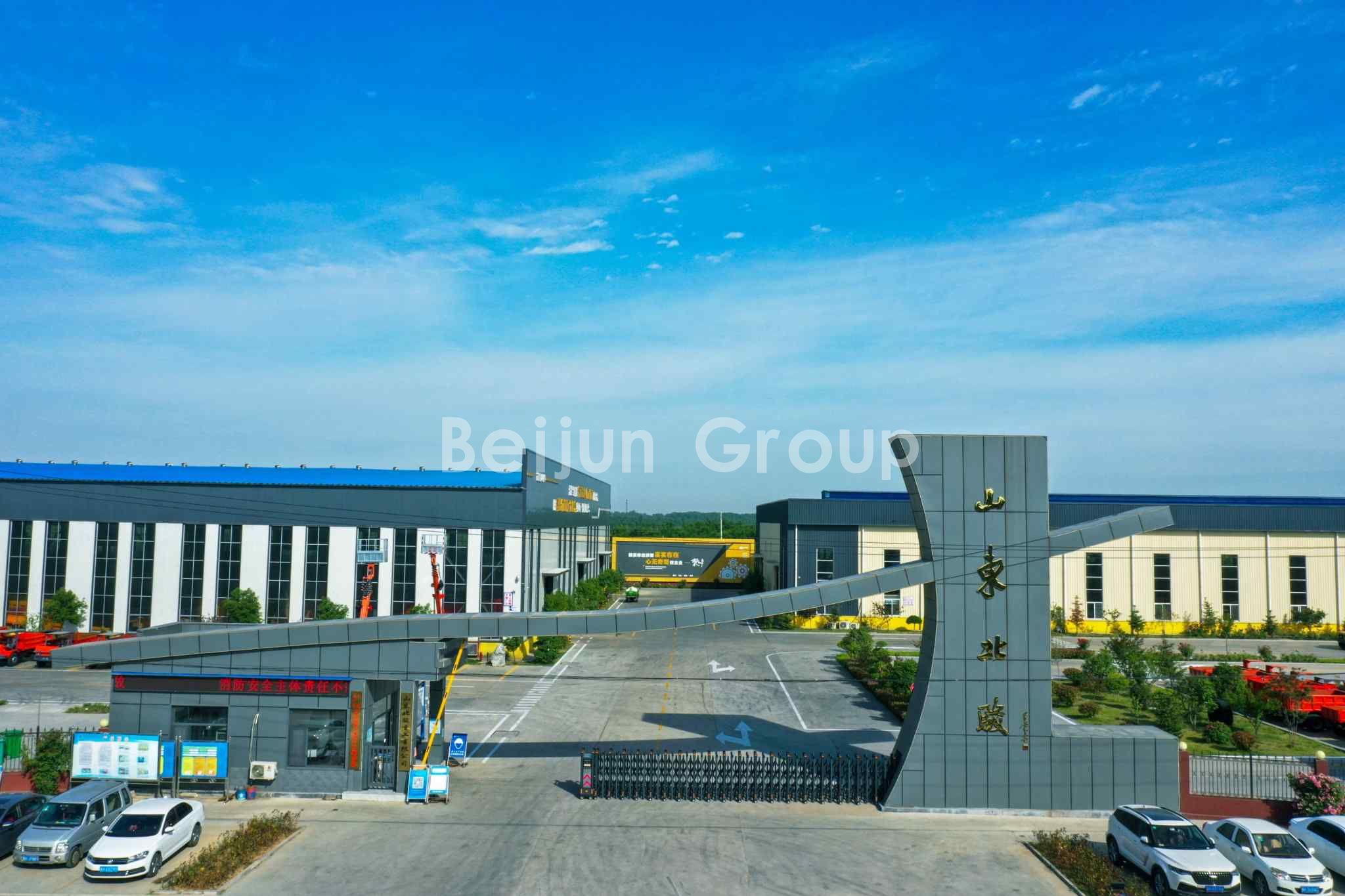
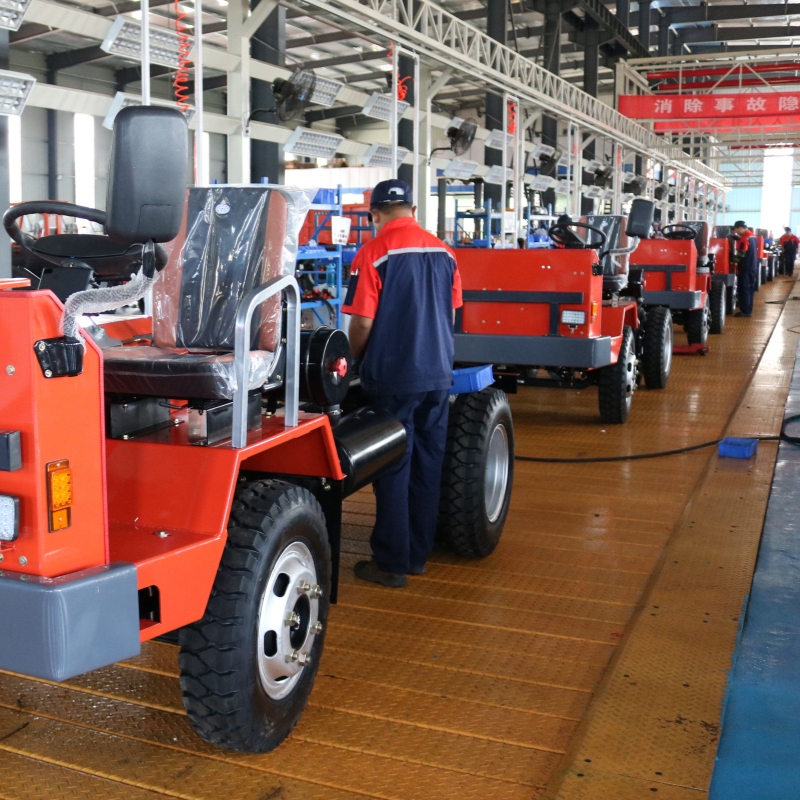
Beijun holds ISO9001, EU CE, and KA mine safety certifications. Products are exported to more than 20 countries with overseas branches in Chile, Peru, Kazakhstan, and other locations. The company also manufactures scaling jumbos, rock drilling jumbos, wet shotcrete machines, and bolting jumbos.
What This Means for Buyers
If you are in the market for underground mining trucks, here is what matters.
Match payload to your operation. The 20-40 ton segment covers most metal mines. Narrow-vein operations need smaller, compact trucks. High-volume stopes justify larger units. Do not oversize or undersize.
Consider electric for ventilation savings. Electric trucks cost more upfront. But they cut ventilation costs and reduce maintenance. Run the total cost of ownership numbers for your specific mine.
Check the brake system. Wet brakes are essential for underground work. They handle heat better than dry brakes and do not fade on long declines.
Parts support is critical. A truck waiting for a hydraulic component is a truck not moving ore. Choose suppliers with regional parts warehouses and fast delivery commitments.
Track record matters. Ask for references from mines with similar conditions. Beijun equipment has been validated in Kazakhstan, Zambia, Angola, and multiple mines across Asia, Africa, and South America.
For mines looking for reliable underground mining trucks that fit narrow tunnels, handle extreme conditions, and come with strong aftermarket support, Beijun is worth a closer look.
Contact Beijun Group
Email: beijun@beijun-group.com
Phone: +86 17854788133
Website: www.beijun-group.com
Address: Beijun Industrial Park, Jining, Shandong, China