French
  Arabic
  German
  Russian
  Dutch
Dutch  Portuguese
  Turkish
  Spanish
  Italian
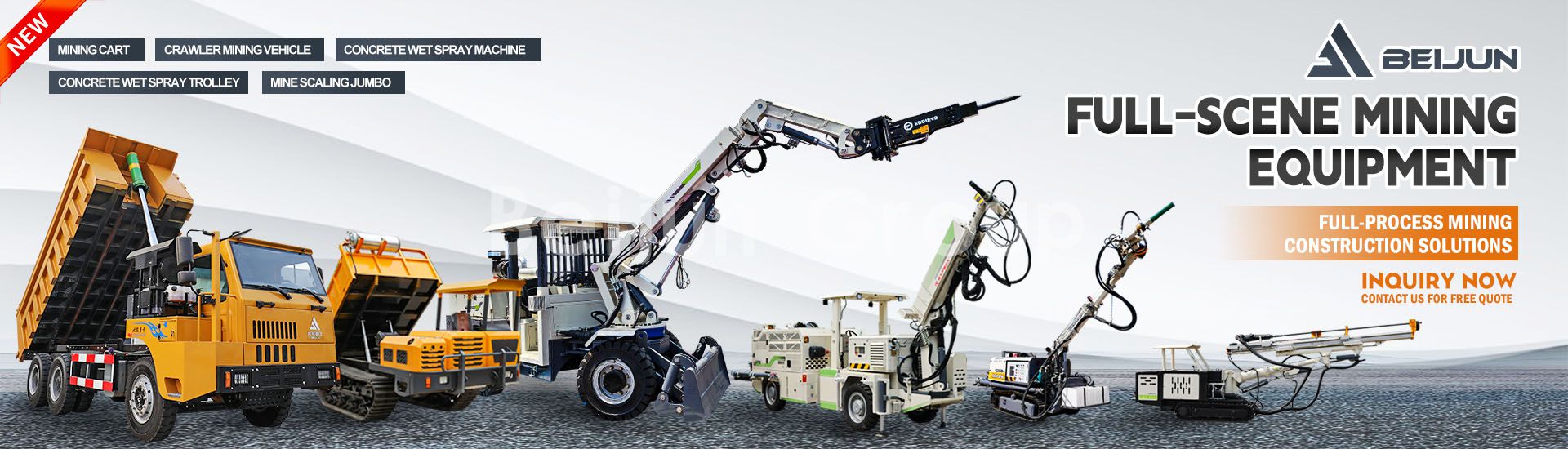
Global electric mining vehicle market to reach $3.08 billion by 2032. Underground fleets grow. Beijun expands electric lineup from 3.5 to 45 tons.
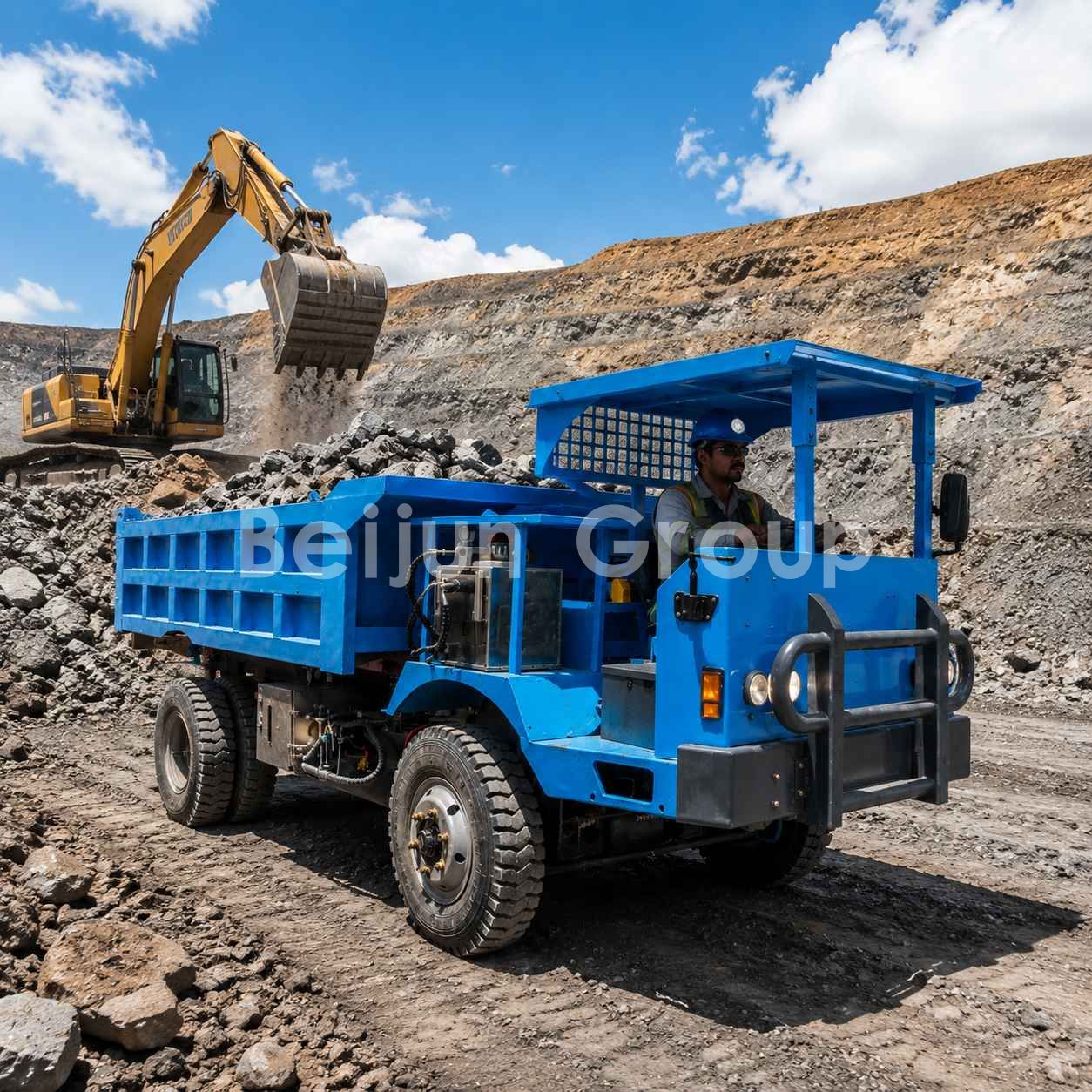
The mining industry is going electric. Not just on the surface. Underground too. Battery-electric haulage is moving from pilot projects to production fleets. Mines want zero emissions. Lower ventilation costs. Less heat. And operators prefer the quiet.
Beijun Group has been building underground mining trucks for over a decade. The company's electric lineup is expanding. Here is what is happening in the electric mining truck market and what Beijun is doing about it.
Global Electric Mining Vehicle Market – Strong Growth Ahead
The global pure electric mining vehicle market was valued at $1.35 billion in 2025. It is expected to reach $3.08 billion by 2032, growing at a compound annual growth rate of 12.5%. Global production capacity is around 8,500 units annually, with actual output reaching about 7,500 units.
In China, the domestic mining truck market sells over 30,000 units per year. But electric penetration is only around 10%. That means huge room for replacement. The mining industry is under pressure to cut emissions and reduce operating costs. Electric trucks address both.
Haulage accounts for 26% to 50% of total operating costs in surface mining. Diesel fuel can make up 70% of a truck's lifecycle powertrain cost. Electric trucks change that equation. A 150-ton battery-electric truck can save up to $3 million in total cost of ownership over 10 years compared to a diesel equivalent. Payback on the higher upfront cost happens by year three.
Underground mines see additional benefits. No diesel exhaust means less ventilation needed. That cuts energy costs significantly. Operators also report lower noise and less heat, improving working conditions in confined spaces.
Real-World Deployments – Electric Trucks Prove Themselves
The technology is not theoretical. It is working in mines right now.
Sweden – LKAB Malmberget. Two 120-tonne battery-electric trucks are operating at 1,250 meters depth. Each truck has a 624 kWh battery and runs about seven hours per charge. They have already transported over 100,000 tonnes of iron ore. Charging at 375 kW takes about 80 minutes. LKAB aims to electrify 30% of its mining fleet by 2027.
China – National Power Investment South Open-Pit Coal Mine. The country's first 100-tonne pure electric bidirectional autonomous mining truck went into operation in July 2026. It carries 136 tonnes. Unit energy cost is 65% lower than a diesel truck of the same size. Range is over 6 hours per charge. Equipment availability exceeds 85%.
China – Zhahanaoer Coal Mine. Thirty 120-tonne pure electric mining trucks operate in high-cold conditions. They handle temperatures from -40°C to 30°C. Charging one hour supports over five hours of continuous work. Energy consumption is about 70% lower than diesel. Carbon emissions drop by 29.7%. Thirty trucks cut over 22,000 tonnes of CO2 per year.
Chile and Peru. Copper mines in South America are testing electric haul trucks. The Atacama Desert offers high solar potential. Mines there are pairing electric fleets with solar microgrids to cut both emissions and energy costs.
Beijun's Electric Underground Mining Trucks
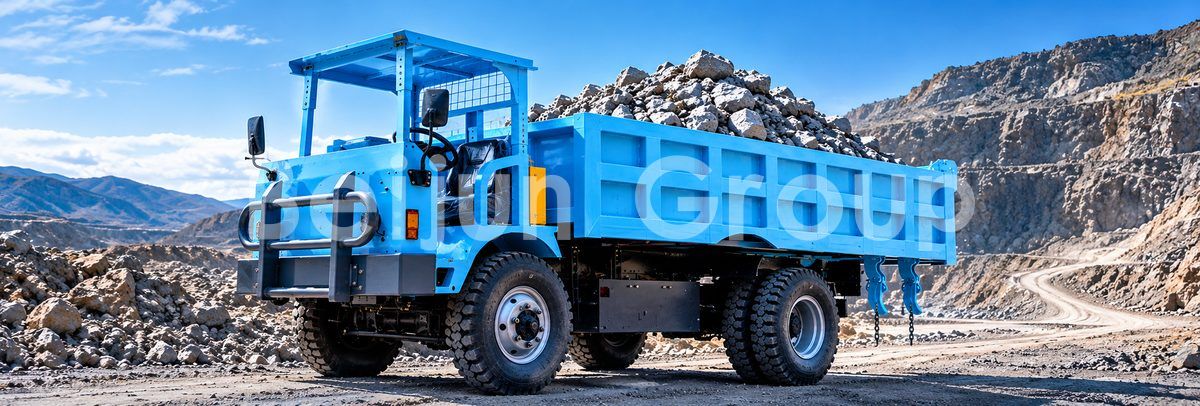
Beijun has been developing electric underground trucks for years. The company partnered with Guangzhou CCRC in 2022 to develop a 25-tonne underground new energy mining truck. That was the starting point. Today, Beijun's electric lineup covers payloads from 3.5 tons to 45 tons.
The UQ series electric underground mining trucks feature lithium iron phosphate batteries. Range is 6 to 10 hours depending on load and grade. Fast battery swapping is supported for operations that need continuous uptime.
Beijun's electric trucks are built for the same tough conditions as the diesel models. Cold-resistant versions handle Central Asia and Mongolia winters. Corrosion-resistant versions serve tropical mines in Southeast Asia and South America. The frames use 700L high-strength steel with cold-riveted construction. Wet brake systems are fully enclosed and oil-cooled.
One mine in Nevada tested Beijun's electric truck for six months. Ventilation costs dropped 28%. Operators reported 40% less fatigue over 12-hour shifts. The quiet cab and zero diesel smell made a real difference underground.
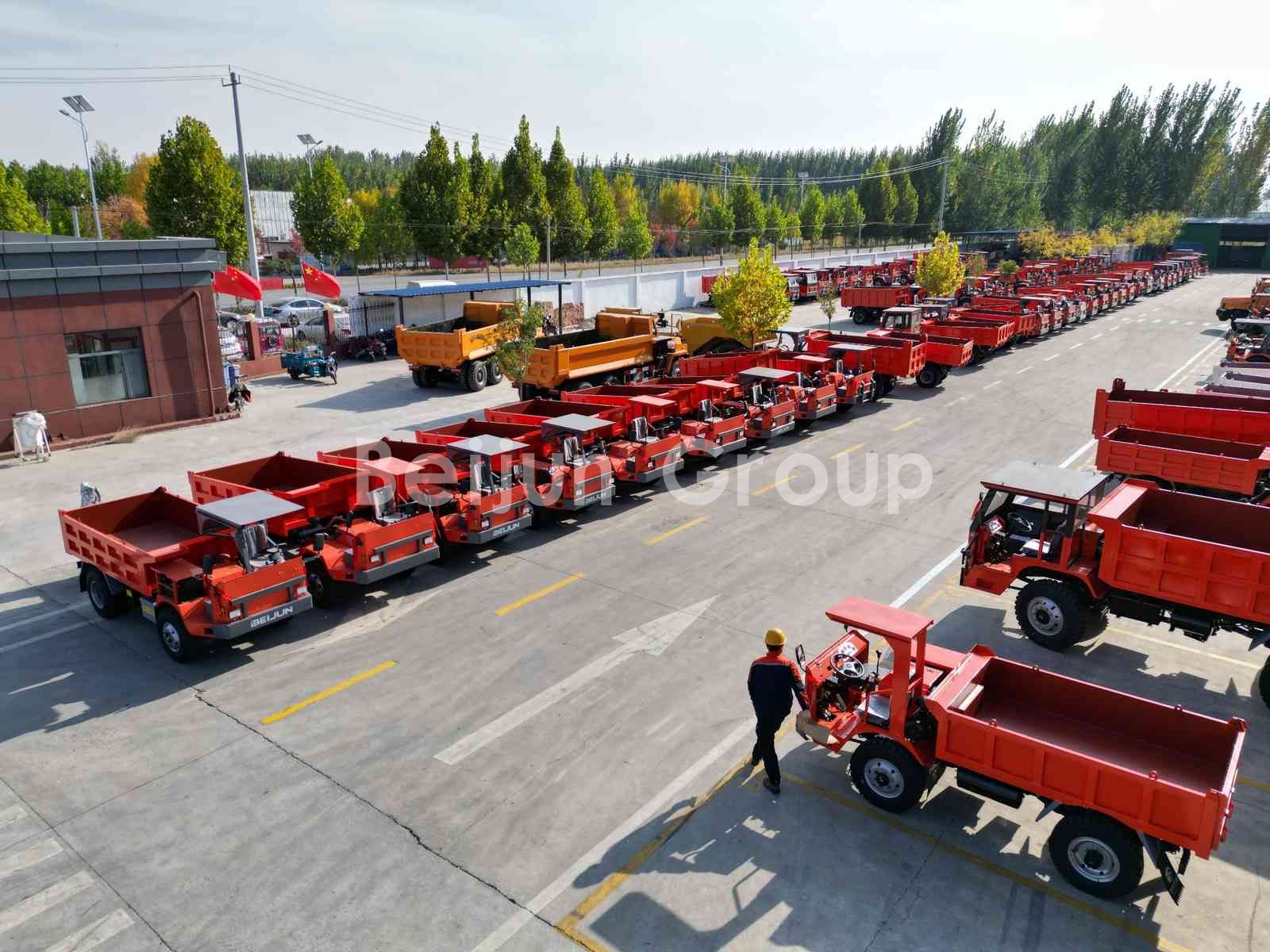
What This Means for Buyers
If you are considering electric underground mining trucks, here is what matters.
Underground is different from surface. Surface electric trucks focus on energy recovery from downhill haulage. Underground trucks benefit most from ventilation savings. No diesel fumes means less air needs to be moved. That is a direct cost saving.
Battery range is workable. Modern lithium iron phosphate packs deliver 6 to 10 hours of operation. That covers most underground shifts. Fast battery swapping is available for mines that need 24/7 operation.
Cold weather is manageable. Beijun's cold-resistant models handle -40°C. Battery thermal management systems keep packs in the optimal temperature range.
Total cost of ownership favors electric. Higher upfront cost is offset by lower energy, ventilation, and maintenance costs. Payback typically comes within 3 to 4 years.
For mines looking for reliable electric underground mining trucks that fit narrow tunnels, handle extreme conditions, and reduce ventilation costs, Beijun is worth a closer look.
Contact Beijun Group
Email: beijun@beijun-group.com
Phone: +86 17854788133
Website: www.beijun-group.com
Address: Beijun Industrial Park, Jining, Shandong, China