French
  Arabic
  German
  Russian
  Dutch
Dutch  Portuguese
  Turkish
  Spanish
  Italian
Less dust. Less waste. Better spray. Mines are dumping dry shotcrete for good.
You know what job nobody wants underground? Running the shotcrete nozzle.
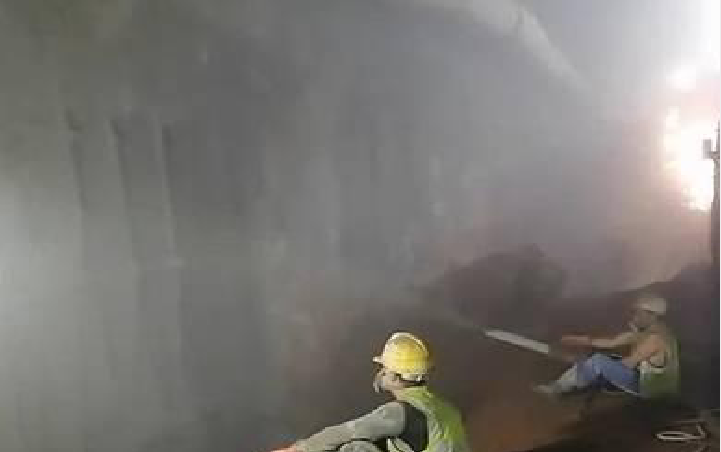
Dust everywhere. Concrete bouncing back in your face. Loud. Dirty. Hard on the lungs.
Dry shotcrete has been around forever. It works. But it has problems. Big problems.
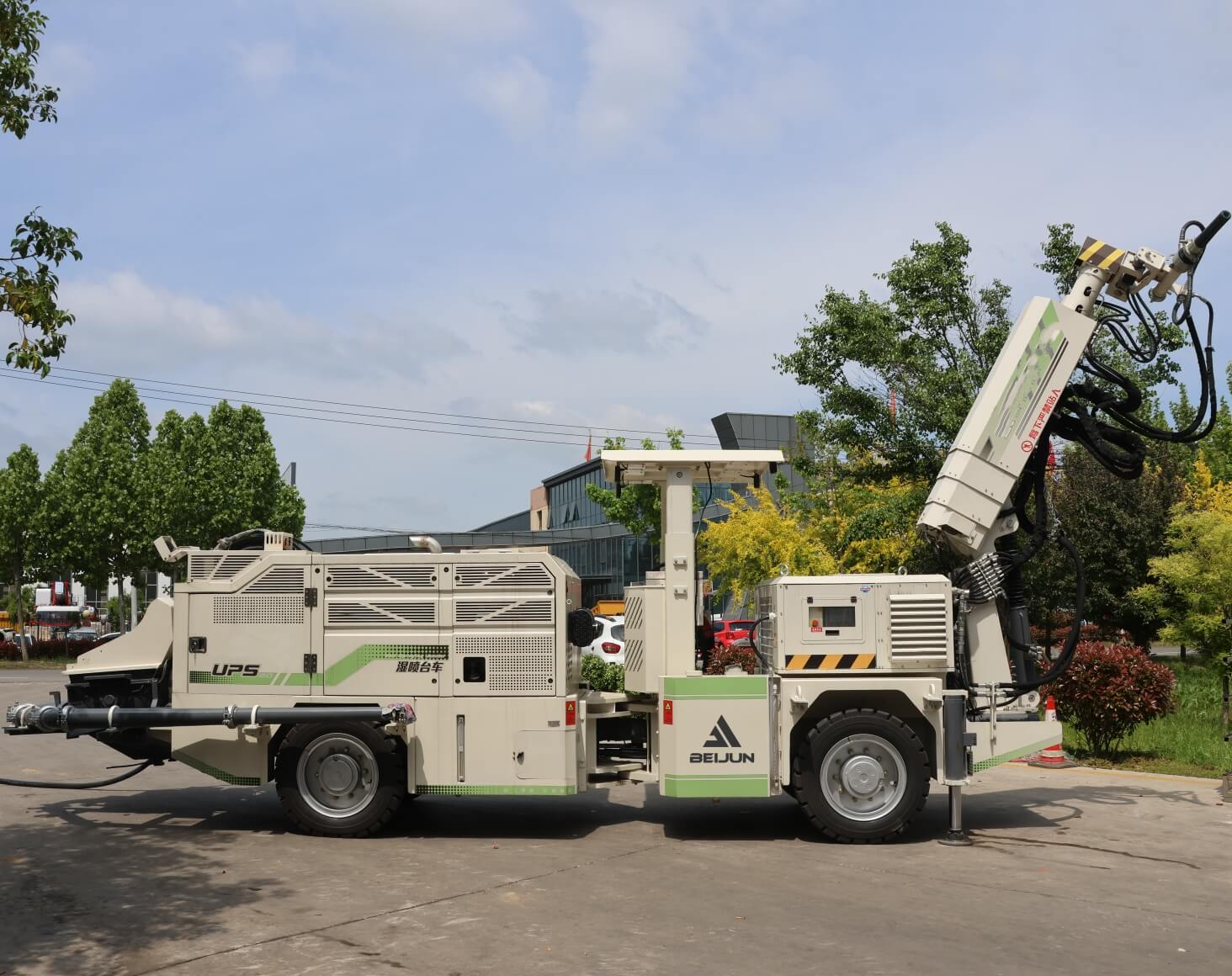
Beijun has been building wet shotcrete machines for a few years now. The new model is better. I talked to mines that switched from dry to wet. Here is what they told me.
The Problem with Dry Shotcrete
Let me tell you why dry shotcrete is a pain.
Dust. Dry shotcrete throws up a cloud of cement dust. We are talking 50 milligrams per cubic meter or more. That is bad. Silicosis is real. Miners get sick. Mines get sued. Regulators crack down.
Rebound. Up to 30 percent of the material bounces off the wall. Falls on the floor. You paid for that concrete. You paid to haul it underground. Now it is just sitting there. Waste.
Inconsistent quality. The nozzleman has a hard job. He controls the water while aiming the stream and watching for loose rock. Too little water? Concrete does not stick. Too much water? Runs down the wall. Either way, weak support.
A mine manager in Nevada told me, "We had a few guys who were good at dry shotcrete. Really good. But most of our crew just could not get it right. We had to re-spray areas all the time. Cost a fortune."
Why Wet Shotcrete Is Better
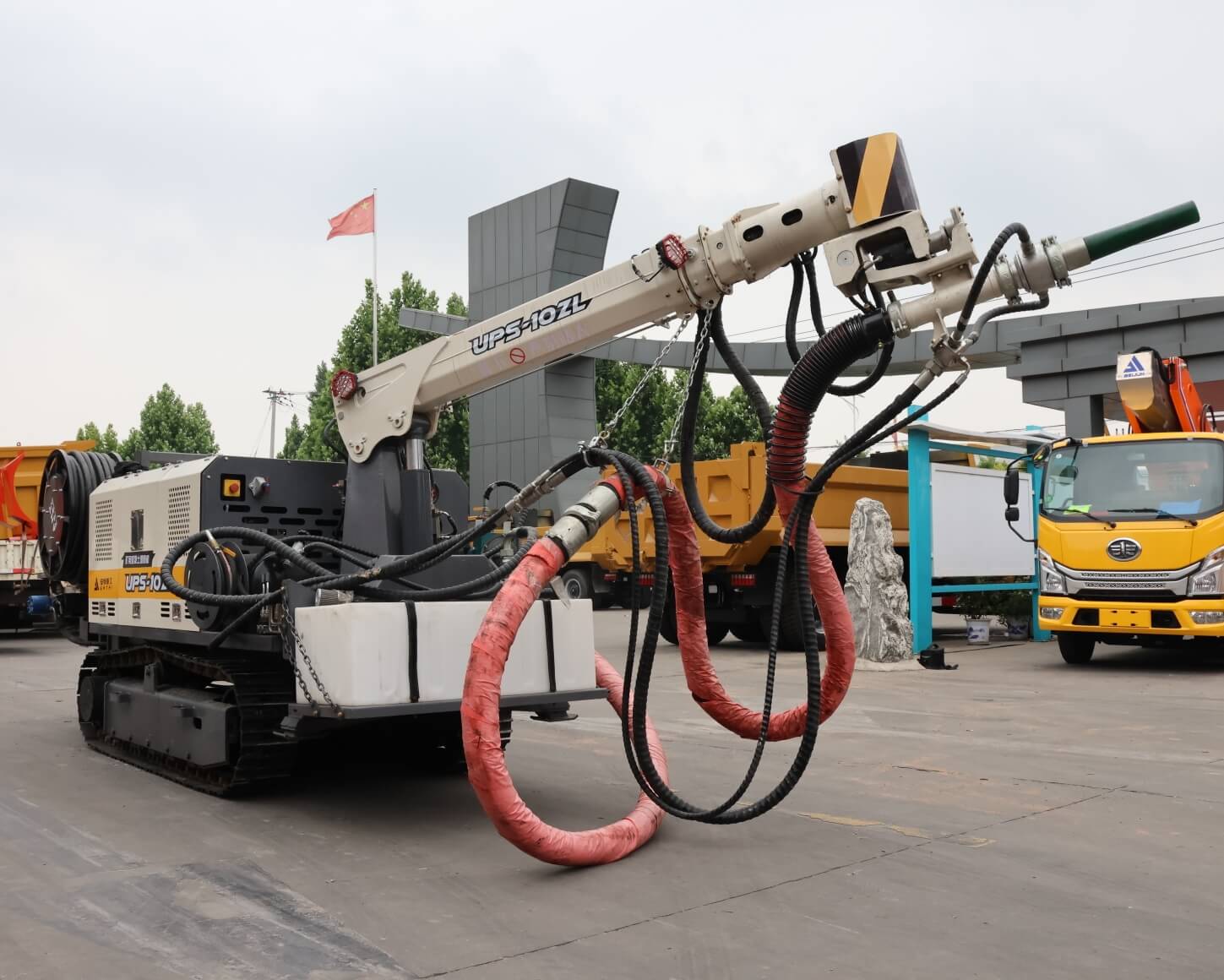
Wet shotcrete is different. The mix comes ready to go. Water already in it. A pump pushes it through the hose. Air at the nozzle shoots it onto the wall.
The operator controls accelerator and air. Not water. That is the key difference.
Dust drops by 90 percent. Not exaggerating. Wet shotcrete keeps dust under 5 milligrams per cubic meter. Ten times cleaner than dry. Your lungs notice. So do the dust monitors.
Rebound drops by half. From 30 percent down to 15 percent or less. For a mine spraying 1,000 cubic meters of shotcrete per year, that saves dozens of tonnes of material. Thousands of dollars. Every year.
Quality is consistent. Same mix every time. No guessing. No relying on the nozzleman's skill. The shotcrete sticks. It sets. It stays.
One contractor in Kazakhstan bought three wet shotcrete machines from Beijun. Rebound dropped from 35 percent to 18 percent. Saved $12,000 a month on concrete. Paid for one machine in the first year.
What Beijun Changed on the New Model
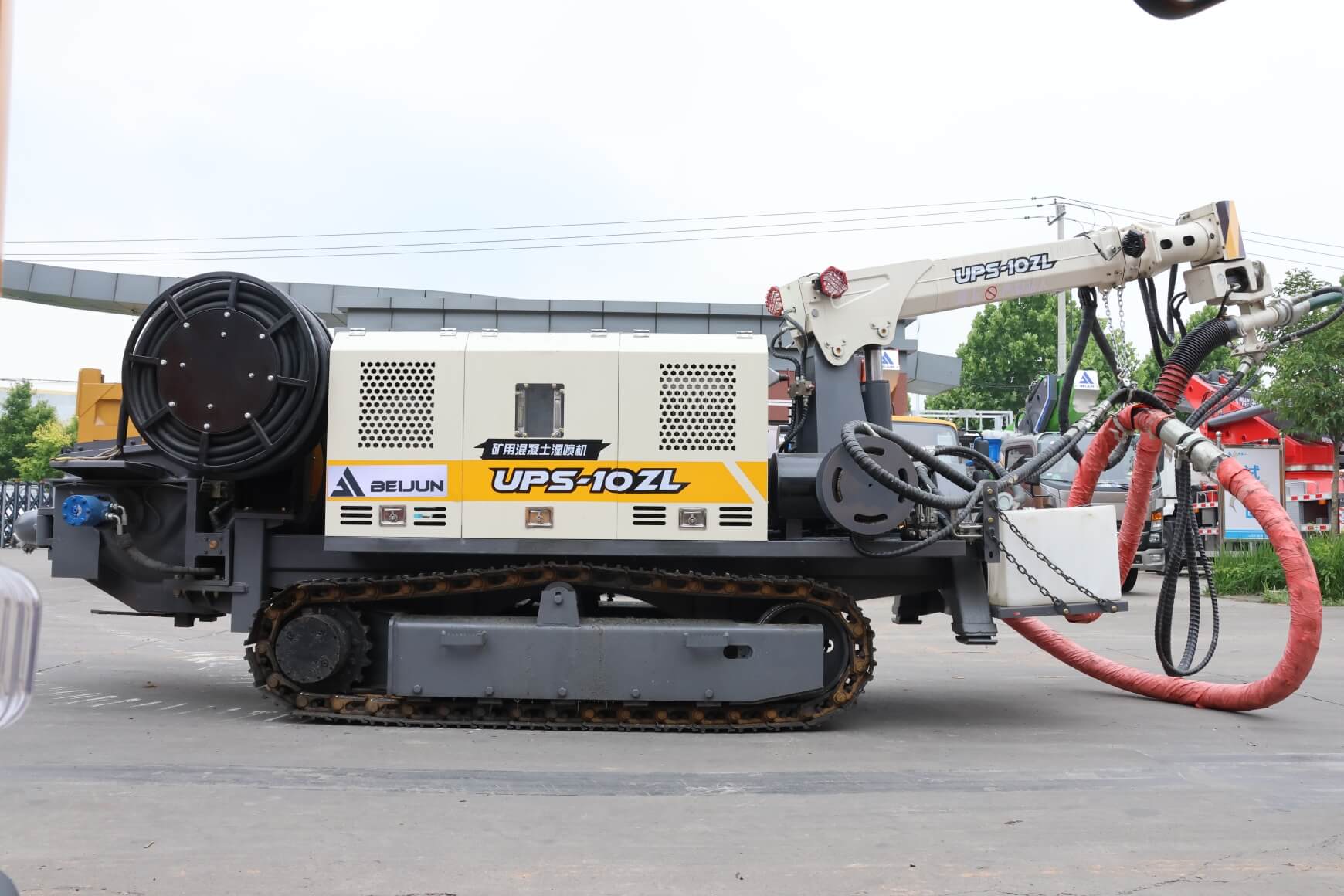
The new Beijun wet shotcrete machine has some real improvements. Here is what is different.
Better pump design. Rotor stator pump. Common design. Works well. But wear parts wear out. On the new model, replacing the rotor and stator is easier. No need to take half the pump apart. Swap parts in 30 minutes instead of two hours.
Automatic accelerator dosing. Liquid accelerator is expensive. You want just the right amount. Too little and the shotcrete takes forever to set. Too much and you waste money. The new machine measures concrete flow and adds accelerator automatically. No guessing.
Six degree of freedom spray arm. You can reach over-excavated areas and under-excavated areas without moving the whole machine. Saves time. Saves labor.
Wireless remote control. IP67 rated. Dust and water resistant. Battery lasts eight hours. The operator stands 50 meters back from the face. Rocks fall? He is not there.
Longer wear part life. Rotor liners last 300 to 500 cubic meters. Delivery hoses last 200 to 300 cubic meters. About 40 percent longer than the previous generation. Less downtime. More spraying.
What Mines Are Saying
I asked a few mines that bought Beijun wet shotcrete machines what they think. Here is what they said.
Gold mine in China: "We used dry shotcrete for 20 years. The dust was terrible. Nobody wanted to run the nozzle. Now with the wet machine, dust is barely noticeable. Using less concrete. The manager is happy. The workers are happy. Good decision."
Lead zinc mine in Kazakhstan: "We bought three units. One for each shift. They run almost continuously. Wear parts last about 40 percent longer than our old machines. Less downtime. More production. Simple math."
Copper mine in Chile: "The remote control changed everything. The operator stands 60 meters back. He watches the face on a screen. If something falls, he is not in the danger zone. Real safety improvement, not just a checkbox."
Nobody loves buying equipment. But the feedback on these machines is consistently good.
The Cost Question
Wet shotcrete machines cost more upfront. No way around that. A good wet machine might be double the price of a dry machine.
But look at operating costs.
Less wasted material. Lower dust control costs. Fewer health claims. Less rework.
One mine did a full cost analysis. Switched from dry to wet shotcrete. Total shotcrete cost per cubic meter dropped 22 percent in the first year. The machine paid for itself in 14 months. After that, pure savings.
Another mine said their biggest saving was labor. They used to have a three person crew on the shotcrete rig. Nozzleman. Pump operator. Cleanup. With the wet machine, two people do the same work. Saved $60,000 a year in wages.
Every mine is different. But the trend is clear. Wet shotcrete costs less in the long run.
Parts and Service
Wet shotcrete machines eat wear parts. Rotors. Stators. Hoses. Seals. The concrete is abrasive. It wears everything it touches.
The question is not whether parts will wear out. It is how fast you can get replacements.
Beijun has parts warehouses in eight Chinese regions and 26 locations total. Domestic customers get parts in 48 hours typically. Overseas is slower. But Beijun covers 20 countries now. Parts to major mining areas within 72 hours.
One mine operator told me, "We tried third party rotors to save money. They lasted half as long. False economy. Went back to Beijun parts. Better to pay a bit more and change less often."
Warranty is five years on the structure. One year on everything else.
The Bottom Line
Here is the truth. Dry shotcrete is old technology. It works. But it is dusty. Wasteful. Hard on workers. Hard on your budget once you factor in all the hidden costs.
Wet shotcrete is the future. Lower dust. Less rebound. Better quality. Safer for your crew.
Beijun's wet shotcrete machine is a solid choice. Good specs. Good support. Fair price.
If you are still running dry shotcrete, take a look at wet machines. Get a quote. Run the numbers for your mine. See if the savings make sense.
For most mines, they do.
Call Beijun. Ask for a demo. See what your crew thinks.