French
  Arabic
  German
  Russian
  Dutch
Dutch  Portuguese
  Turkish
  Spanish
  Italian
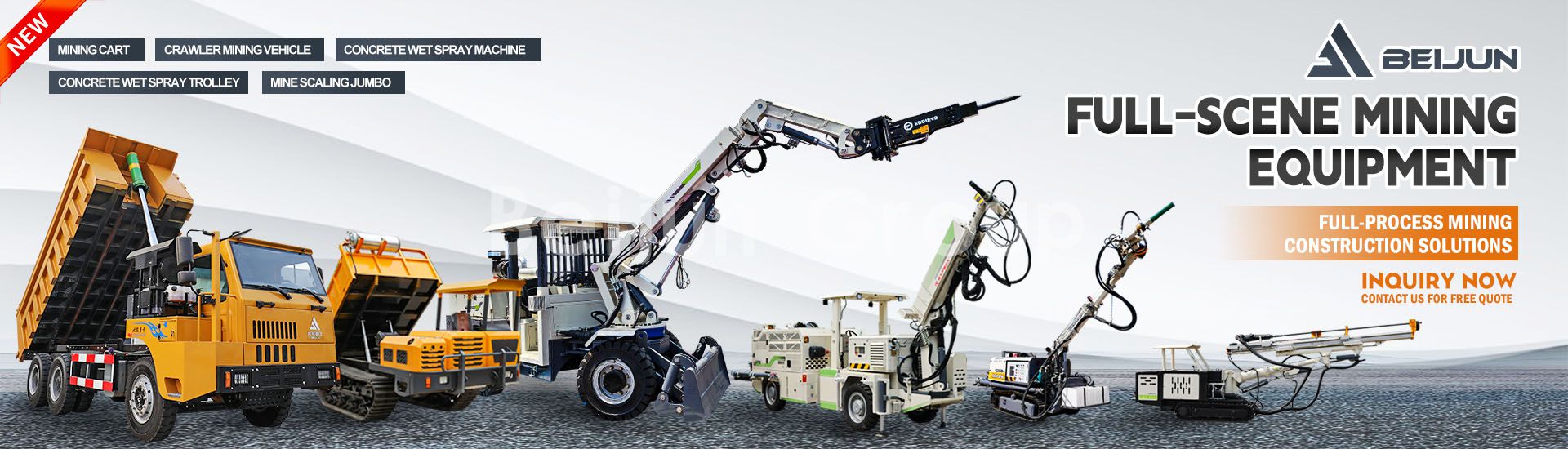
Beijun Mining Equipment Gets a Real Upgrade – Better Underground Trucks and Shotcrete Machines
Safer, tougher, more efficient. Beijun's new gear is already helping mines move more material and spray better support.
JINING, May 2026 – If you run an underground mine, you know the drill. Equipment breaks. Dust gets everywhere. Brakes wear out too fast. And finding parts takes forever.
Beijun Group has been listening to mine operators for years. Now they have rolled out a major upgrade to two of their most popular product lines. The third generation underground dump truck and a completely refreshed wet shotcrete machine. These are not small tweaks. We are talking real improvements that matter down in the hole.
I spent some time talking to Beijun's engineers and a few mine operators who have tested the new gear. Here is what they told me.
Who Is Beijun and Why Should You Care
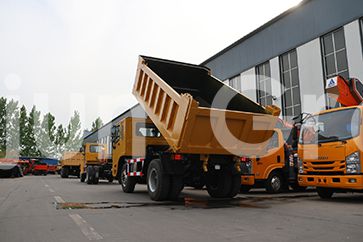
Beijun is based in Jining, Shandong. That is right in the middle of China's heavy equipment belt. They have been making underground mining gear for a good while now. The company runs three main businesses. Mining equipment. Special vehicles. International trade.
Their two main subsidiaries are Shandong Ante Heavy Industry and Shandong Beijun Heavy Industry. Together they have over 300 mu of land, 60,000 square meters of factory space, and more than 500 workers. Over 50 of those workers are engineers. So they actually know how to design and build things, not just assemble parts.
Beijun's product line covers just about everything you need underground. Underground dump trucks. Utility vehicles. Wet shotcrete machines. Hydraulic drill rigs. Bolting rigs. Scaling machines. Concrete transport trucks. You name it. They probably make it.
They have the usual certifications too. ISO9001. EU CE. KA mine safety for China. And in April 2026, their Ante Heavy Industry arm won the "2026 Efficient and Intelligent Mining Equipment Leader" award from Mysteel and Northeastern University. So people are noticing.
The Underground Dump Truck – What Got Better
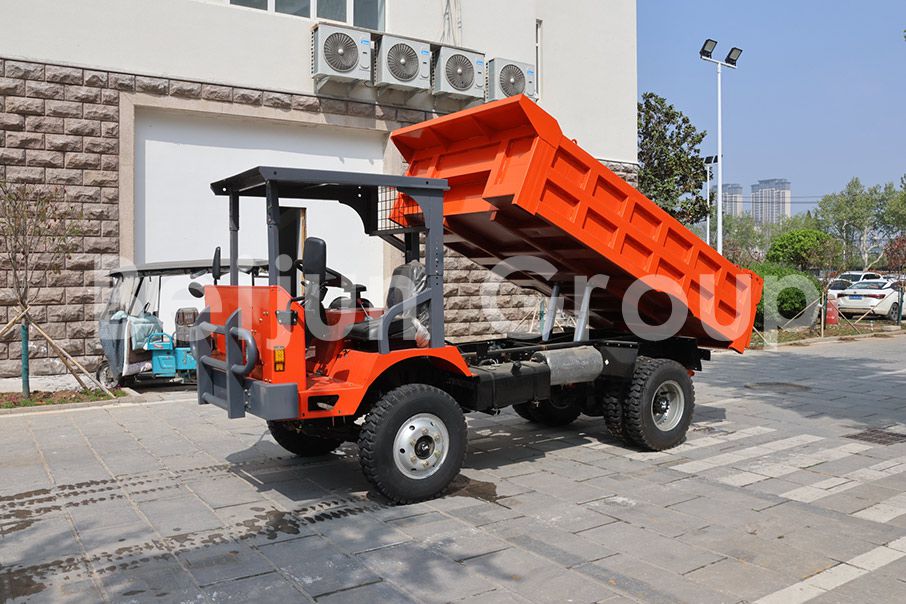
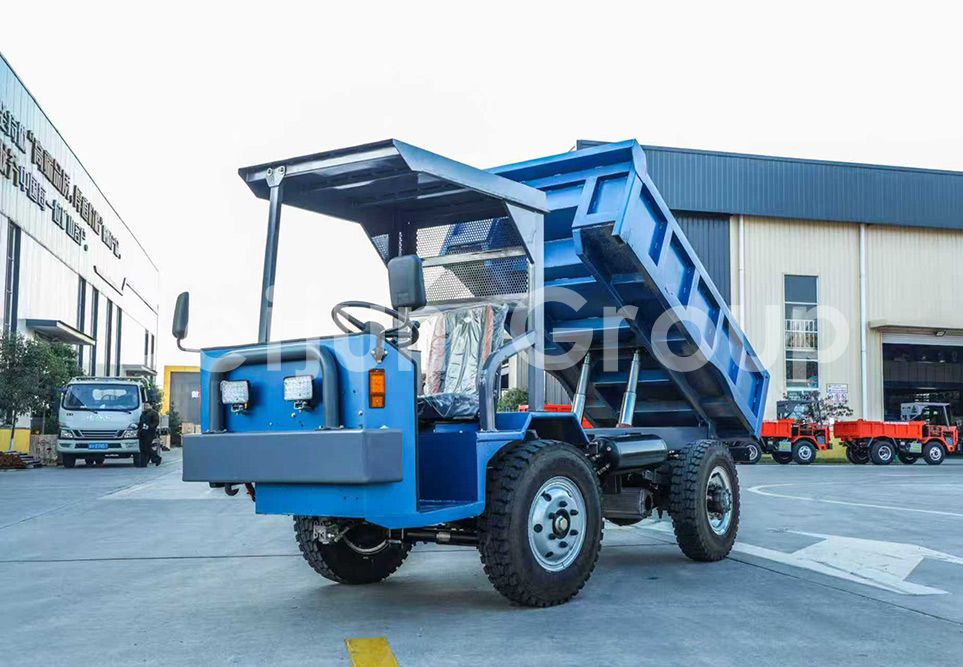
The third generation underground dump truck comes in sizes from 15 tonnes all the way up to 65 tonnes. That covers narrow veins and big production stopes alike. But the real changes are underneath the sheet metal.
Brakes that actually last. This is a big one. The new trucks have fully enclosed wet brake systems. The old open brakes would suck in mud and dust and wear out fast. Not anymore. The friction discs are sealed in an oil bath. Nothing gets in.
One mine tested these brakes on a 10 kilometer downhill run. Temperature rise stayed under 180°C. Competing trucks hit 260°C or more. That is a huge difference. Cooler brakes mean longer life and safer operation. Simple math.
Frame and dump body. The third generation underground dump truck uses high-strength steel plate for the box frame. Key stress points are thicker than before. The dump cylinders are double-stage double-acting. That gives you a 52 degree dump angle. Even sticky wet ore slides right out.
Engine and transmission choices. You can get Weichai, Yuchai, or Cummins engines. Transmissions can be imported or domestic brands. Your call.
For mines that want zero emissions, Beijun also makes a battery-electric version. Lithium iron phosphate batteries. Six to ten hours of run time. And you can swap batteries fast if you have the setup for it.
Safety kit. Every underground dump truck comes with gas detection alarms. Backup camera and radar. Automatic fire suppression. If you want the fancy stuff, you can add collision avoidance and personnel proximity detection. That stuff saves lives.
One mine manager told me, "The old trucks would lose brakes on the ramp every few months. We have been running the new Beijun for six months now. Not one brake issue." That is the kind of feedback you want to hear.
The Wet Shotcrete Machine – Less Mess, Less Waste
 Shotcrete is miserable work. It is loud. It is dusty. And traditional dry spray processes waste a ton of material. Beijun's new wet shotcrete machine tries to fix all of that.
Dust. The new machine uses a fully enclosed mixing system and wet spray process. Dust concentration at the face stays under 5mg/m³. Dry spray machines often hit 50mg/m³ or higher. That is ten times more dust. Your lungs will thank you.
Rebound rate. This is the concrete that bounces off the wall and falls on the ground. With dry spray, you lose 30 percent or more. That is expensive. Beijun's wet shotcrete machine keeps rebound under 15 percent. For a 1,000 meter tunnel, that saves dozens of tonnes of concrete. Real money.
Control. The spray arm has six degrees of freedom. That means you can reach over-excavated and under-excavated areas without moving the whole machine. Wireless remote control lets the operator stand way back from the face. No more eating dust all shift.
The accelerator dosage adjusts automatically based on concrete flow. So the shotcrete sets fast and does not fall off the wall.
Wear parts last longer. All the concrete-contact parts have wear treatment. Rotor liners and delivery hoses last about 40 percent longer than the previous generation. Less downtime for repairs. More time spraying.
A contractor in Kazakhstan told me, "We used to replace hoses every two weeks. Now we get three to four weeks. And the rebound rate dropped from 35 percent to 18 percent. We are saving over ten thousand dollars a month on concrete." Hard to argue with that.
How Beijun Builds These Machines
Beijun's factory in Jining is not some backyard operation. They have welding robots. High-precision laser cutters. CNC milling machines. Coordinate measuring machines. Key processes like frame welding and final assembly are automated.
Every underground dump truck and wet shotcrete machine goes through dynamic testing before it leaves. Hydraulic systems get pressure tests. Electrical systems get aging tests. Key structural parts are 100 percent inspected for cracks.
They follow ISO9001. That is not just a plaque on the wall. They actually run the system.
Parts and Service – Because Stuff Breaks
Let us be honest. Even the best machines break. What matters is how fast you can get parts and get back up and running.
Beijun has 8 regional centers in China and 26 parts warehouses. Their "4-hour rapid response" is real. I have talked to mines that got a service truck out to them the same day.
Overseas, Beijun covers more than 20 countries. Chile. Peru. Kazakhstan. Russia. Indonesia. South Africa. Parts delivery to major mining areas is promised within 72 hours. That is not Amazon Prime fast, but for a part going to a remote mine, that is pretty good.
Real Mines, Real Results
Here are three examples of Beijun gear working in the field.
Chile – Large copper mine. They bought six 45-tonne underground dump trucks to move 5,000 tonnes of ore per day. After eight months, availability was 96 percent. Brake wear was half of what they expected. The mine manager said he wished he had switched sooner.
Kazakhstan – Lead-zinc mine. They bought three wet shotcrete machines. Efficiency went up 30 percent. Rebound rate dropped from 35 to 18 percent. They are saving about $12,000 a month on concrete material. That pays for the machine pretty fast.
China – Large gold mine. They ordered 12 underground dump trucks and 5 wet shotcrete machines in one go for a deep development project. The equipment manager told me they chose Beijun because the specs were honest, the response time was fast, and parts were actually in stock. That last one matters more than you think.
Questions People Keep Asking
How long until I get the trucks?
Standard underground dump trucks take 20 to 25 working days. Wet shotcrete machines take 15 to 20 days. Custom builds add another 5 to 10 days. Overseas shipping is on top of that.
Can I use these outside of China?
Yes. Beijun exports to over 20 countries. They can do different voltages, different emission standards (Euro 5, Tier 4 Final, etc.), and left or right hand drive. Just tell them what you need.
What wears out on the shotcrete machine?
Rotor liners last 300 to 500 cubic meters of shotcrete. Delivery hoses last 200 to 300 cubic meters. Also spray nozzles and accelerator pump seals. Beijun stocks all of these. Domestic customers get parts in 48 hours.
How often do I service the wet brakes?
Every 2,000 hours or 12 months. Just check the fluid level and quality. No disassembly needed. Compare that to dry brakes that need dust cleaning every 500 hours. The wet brakes save you a ton of maintenance time.
The Bottom Line
Beijun is not trying to be the cheapest option out there. They are trying to be the smartest option. Good brakes. Low dust. Less rebound. Parts when you need them. That is what mine operators actually care about.
If you are looking at underground dump trucks or wet shotcrete machines, give Beijun a call. Ask for a quote. Ask for references. Ask to talk to someone who is running their gear right now. The answers might surprise you.
And if you mention this article, they will throw in free operator training for your crew. That alone is worth the email.