French
  Arabic
  German
  Russian
  Dutch
Dutch  Portuguese
  Turkish
  Spanish
  Italian
Walk behind models. Ride on models. Rubber tracks. Mud? No problem. Sand? Fine. Stairs? Yes, stairs.
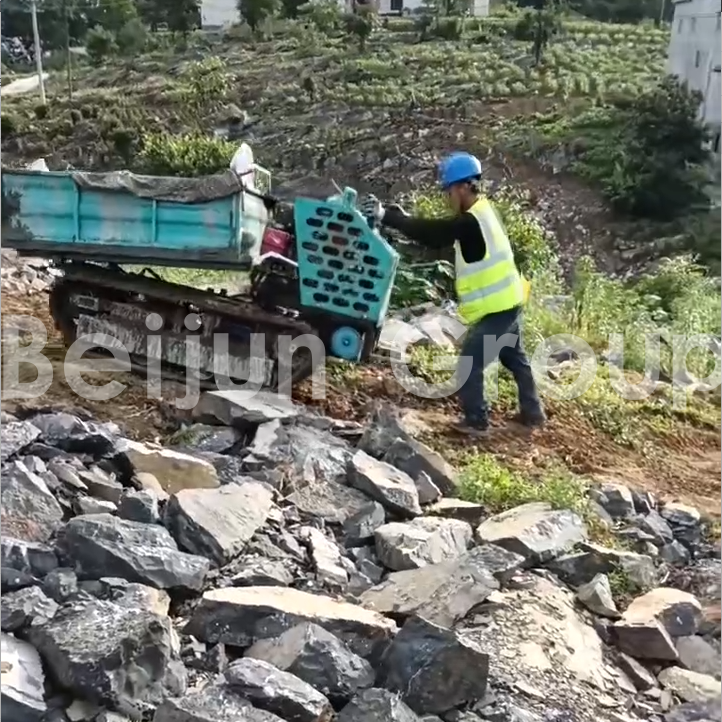
You know what is annoying? Getting a truck stuck.
You are on a job site. Ground is soft from rain. You back the wheeled dump truck in. It sinks. Now you need another machine to pull it out. Everyone stands around waiting. Customer is mad. You are losing money.
That is why tracked dump trucks exist. Rubber tracks spread the weight. They float on top instead of digging in. They keep working when wheeled trucks are waiting for a tow.
Beijun has been making these for a while. The 2026 models are better. I talked to guys who run them. Here is what they said.
Why Bother with Tracks
Look. Wheeled trucks are fine on hard ground. Concrete. Asphalt. Packed gravel. No problem. But put them on mud? Soft sand? Wet grass? They sink.
A tracked dump truck has rubber tracks. Big surface area. Low ground pressure. It does not sink.
I know a guy in Colorado. He was hauling fill dirt on a golf course. Ground was wet. His wheeled truck got stuck three times in one morning. Three times. He rented a tracked dumper. No more stucks. Finished two days early.
Another guy in Florida. Running pipe through a swamp. Yes, a swamp. Wheeled trucks could not even get to the site. His crew carried pipe by hand. Slow and expensive. He bought a tracked dumper. Problem solved.
That is the market. Soft ground. Wet ground. Loose ground. Anywhere wheels fail, tracks work.
Walk Behind Models – Small but Tough
The walk behind tracked dumpers are little. Really little. They fit through a standard doorway. Go into basements. Backyards. Tunnels. Places big machines cannot go.
Beijun makes a few sizes. Smallest carries about 300 kilos. Biggest walk behind carries 1,000 kilos. That is a metric ton. Pretty good for a machine you walk behind.
What changed for 2026? Better hydraulics. The dump cylinder is stronger. Lift is smoother. Track motors have more torque for climbing ramps.
Controls are simpler too. One lever for forward and reverse. One button to dump. Anyone can learn in five minutes.
Tracks are rubber. Replaceable. You can swap a track in about an hour. Basic tools. No special press needed.
One guy told me, "We use the walk behind for basement work. Pouring concrete. Hauling debris. Old way was wheelbarrows. Guys pushing heavy loads up a ramp. Stuff spilling. Guys getting hurt. The tracked dumper carries a full load. No spills. No injuries."
Ride On Models – For Real Work
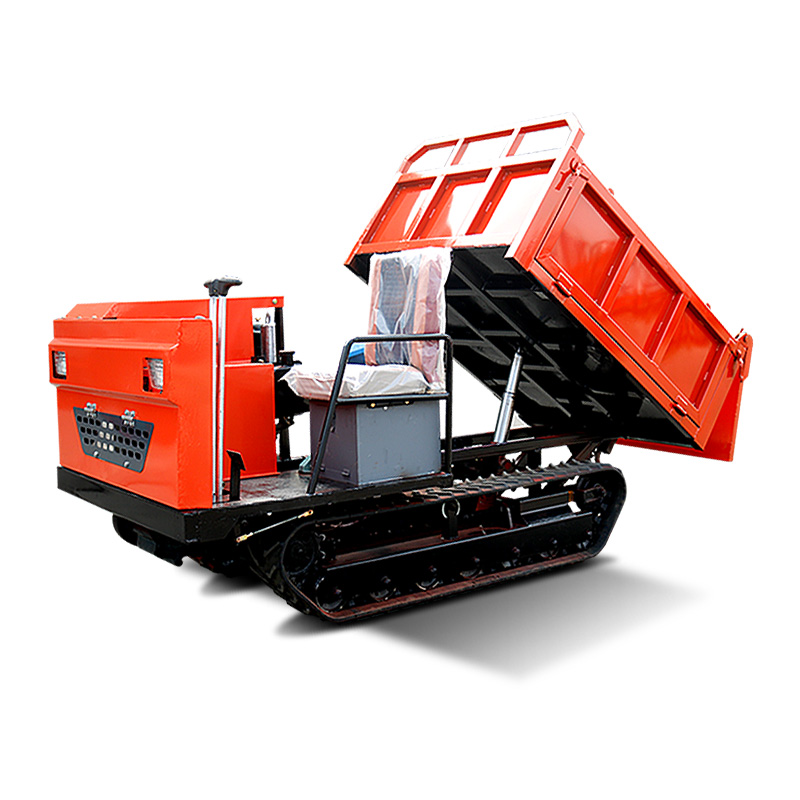
When you need to move more material, get a ride on tracked dumper. Bigger. Operator sits on it. Steering wheel or joysticks. Feels like a small tractor.
Beijun ride on models go from 1.5 tonnes to 6 tonnes payload. The 6 tonne machine moves a lot of dirt. Fast enough to keep up with a mini excavator.
What changed for 2026? New frame design. High-strength steel. Robot welded. Reinforced at stress points. Old frames were good. New ones are better.
Hydraulics are faster. Dump cycle time down 15 percent. Does not sound like much. But over a full day, more loads moved.
Seats are better. More padding. More adjustment. Operators spend all day on these. Good seat matters.
Visibility improved. Beijun lowered the hood. You can see the dump body and the ground in front of the tracks better. Matters when you work near foundations or trench edges.
One rental yard owner said, "We bought four ride on tracked dumpers last year. They rent out almost every week. Contractors love them. They get into backyards that nothing else fits. And they do not tear up the grass."
What Guys Actually Care About
I asked contractors what matters when buying a tracked dump truck. Here is what they said.
Does it break down? "I cannot afford downtime. Guys standing around getting paid to do nothing. The Beijun has been solid. One breakdown in two years. A hose. They sent a replacement fast."
Can I get parts? "I need parts tomorrow, not next week. Beijun has a warehouse two hours from me. Call in the morning. Part on my desk by afternoon. That is why I buy from them."
Easy to fix? "Engine is Kubota or Yanmar. Any small engine mechanic can work on it. Hydraulic pumps are standard. Nothing weird. I like that."
Does it sink? "Whole point of tracks is low ground pressure. Beijun publishes the PSI numbers. Honest about it. Some brands lie. Their machines sink. Beijun's do not."
Price? "Look, I want a good machine. But I also have to make money. Beijun is not the cheapest. Not the most expensive either. Good value."
That last one comes up a lot. Beijun sits in the middle. Cheaper than the big European and Japanese brands. Better than the no-name Chinese brands. A lot of contractors end up there.
Real Jobs
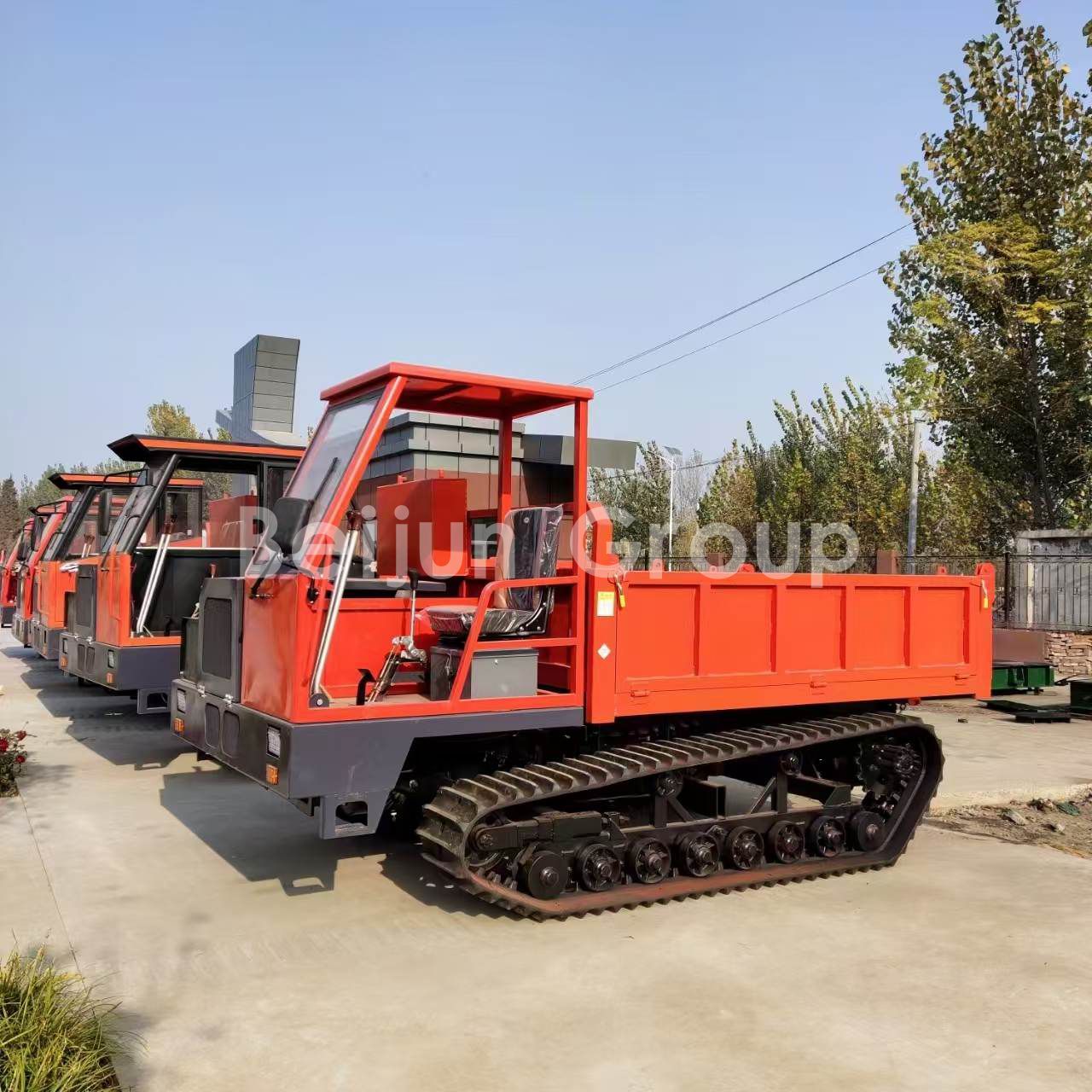
Here are some real examples.
Basement in New York. Contractor needed to haul dirt out of a basement. Only access was stairs. No ramp. Wheelbarrow too small. Mini excavator too big. They used a walk behind tracked dumper. Machine climbed the stairs on its tracks. Each load 500 kilos. Emptied the basement in two days instead of five.
Pipeline in Texas. Ground was muddy from rain. Wheeled trucks got stuck. Contractor brought three ride on tracked dumpers. Each carried 3 tonnes of pipe sections. Worked all day in the mud. No stucks. Pipeline finished on time.
Golf course in Florida. Rebuilding greens. Needed to bring in sand and topsoil. Ground soft. Could not damage turf. Wheeled trucks would leave ruts. Used tracked dumpers. Rubber tracks left almost no marks. Greens rebuilt without tearing up the course.
These are not special cases. This is everyday tracked dumper work. Soft ground. Tight spaces. Sensitive surfaces. That is what these machines are for.
Why Beijun
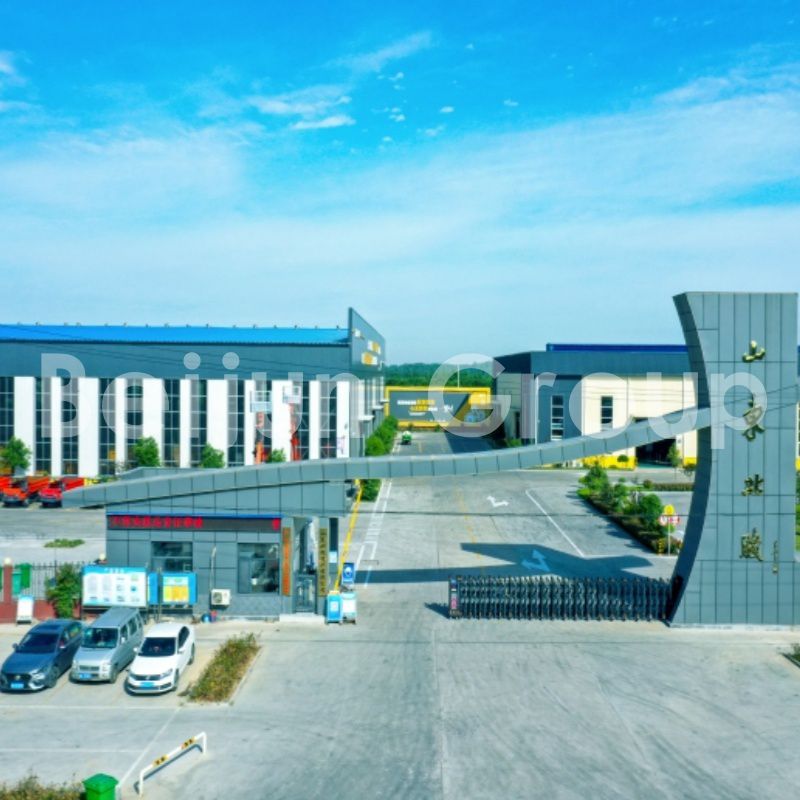
So why buy from Beijun instead of the big names? A few reasons.
Price. Beijun costs less. Not cheap junk. Just less markup. Big brands have huge marketing budgets. Someone pays for that. You do.
Common parts. Kubota and Yanmar engines. Standard hydraulic pumps. Common track sizes. Not locked into dealer-only parts.
Support. Parts warehouses across China and 20 other countries. They answer emails. They answer phones. Try getting that from big brands when you are a small customer.
Warranty. Five years on the structure. One year on everything else. Better than most.
One contractor put it this way. "I looked at a big brand tracked dumper. Nice machine. Cost twice as much as the Beijun. Could I afford it? Yes. But why? The Beijun does the same work. Operator cannot tell the difference. Accountant cannot tell the difference. Customers cannot tell the difference. So I bought the Beijun and spent the savings on another machine."
Hard to argue with that.
What is Coming
Beijun is working on electric versions. Battery powered. Quiet. Zero emissions. Good for indoor work and tight urban sites.
First electric models late 2026 or early 2027. Range about 4 to 6 hours. Enough for most days.
Also working on remote control. Stand back and drive from a tablet. Good for hazardous sites or tight spaces where you do not want a person sitting on the machine.
For now, diesel models are solid. Proven engines. Proven hydraulics. Proven tracks. They work.
Common Questions
How much does one cost?
Small walk behind tracked dumpers start around $8,000. Ride on tracked dumpers from $15,000 to $40,000 depending on size. Big 6 tonne model at the high end. Call Beijun for a real quote.
How long do rubber tracks last?
Depends. Dirt and gravel, 1,500 to 2,000 hours. Concrete and asphalt, less. Maybe 800 to 1,000 hours. Sharp rock, even less. Replace when lugs wear down or cracks appear. Keep a spare set if you work in tough conditions.
Can I drive on pavement?
Yes. But it wears tracks faster. Might leave black marks. Some guys put down plywood or rubber mats. For short distances, drive slow. No sharp turns. That eats tracks.
What is the warranty?
Five years on frame and structure. One year on engine, hydraulics, electrics. Beijun has service centers most places. They help with claims. Read the fine print. But the coverage is solid.
How steep a slope?
Tracked dump trucks climb 20 to 25 degree slopes depending on load and surface. Walk behind models climb a bit steeper. Ride on models a bit less. Careful on side slopes. Tracked machines can tip if you get them sideways on a steep hill.
Need special training?
Walk behind? No. Anyone learns in 10 minutes. Ride on? Basic equipment experience helps. Drives like a small tractor. Most people figure it out in an hour. Beijun provides a manual and training video. They will send a technician for onsite training if you buy multiple machines.
Bottom Line
Here is what I think.
If you work on soft ground, tight spaces, or sensitive surfaces, get a tracked dumper. Wheeled trucks get stuck. Wheelbarrows are slow and hard on workers.
Beijun makes good ones. Walk behind for small jobs. Ride on for bigger work. 2026 models have better frames and hydraulics. Price is fair. Support is there.
Call Beijun. Ask for a quote on a tracked dump truck that fits your work. Tell them what you are moving and where. They will point you to the right model.
Mention this article. They will send specs and price within 24 hours. No hard sell. Just information.
One more thing. Talk to other contractors who own them. Feedback is good. That is why I wrote this.